
Psychological Safety and the Distant Leader

Posted by Hogan Assessments on Tue, Dec 13, 2022

A woman with medium skin and curly dark brown hair sits on a round cushion on the floor with her elbows resting on her knees and her hands covering her face. The image suggests isolation and withdrawal as a stress response and accompanies a blog post about how distant leaders affect team psychological safety.

Everyone, including leaders, reacts to stress differently, but the way that leaders respond to stress affects their team members. When leaders react to stress with insecurity, mistrust, hostility, or social withdrawal, their attitudes and behaviors can cause significant damage to team psychological safety.

Team psychological safety is the shared perception of whether it is safe or risky for team members to show their authentic selves to each other. The presence of fear—whether a leader’s fears or fear of the leader—destroys trust and creates a sense that interpersonal risk-taking is dangerous.

Many people see leaders as those who give orders and assess others; however, leaders who successfully build and maintain high-performing teams focus on setting direction, supporting others, and cultivating psychological safety.1 The leader role calls for the strategic self-awareness to understand and control one’s dysfunctional behavior, or derailers, that may arise during stress, overwork, fatigue, or other situations in which self-management tends to be compromised.

Read on to learn about how we measure derailers, the effects of five specific derailers on psychological safety, and ways leaders can improve team psychological safety.

The Dark Side of Leadership

The Hogan Development Survey (HDS) measures personality strengths that, when overused, can become problematic. Everyone’s personality has dark-side characteristics—potential behaviors stemming from personality strengths that could derail performance. A leader who cares about quality, for example, might overuse that characteristic, becoming obsessive about project details or stalling in fear of making an incorrect decision. A leader who cares about self-sufficiency might overuse that characteristic, appearing tough, aloof, or indifferent to team members. While a commitment to excellence and an appreciation for independence are positive qualities, without moderation they can become risk factors that destroy teams or derail careers.

The HDS consists of 11 scales that are categorized into three clusters that broadly describe stress responses: moving away from others (withdrawal), moving against others (antagonism), or moving toward others (conformity). Most people have one or more elevated scores, and elevations often occur within the same cluster.

The Moving Away cluster is defined by the Excitable, Skeptical, Cautious, Reserved, and Leisurely scales.2 Derailing behaviors stemming from high scores on these scales can be uniquely damaging to psychological safety. Because derailment in this cluster often involves increasing the distance between people as a method for dealing with insecurity, it can be especially instrumental in creating room for people to fear the worst. Characterized by lack of communication or communication that critiques, Moving Away derailers can damage psychological safety by fostering intimidation and by stifling trust and openness.

Excitable

“You force me to express in no uncertain terms how much I have become disappointed with you.”

The Excitable scale describes behaviors that range from calmness and steadiness to volatility and explosiveness. Because they can be prone to intense emotion and struggle to manage pressure, people with a high Excitable score might express their fears or frustrations by seeming moody, tending to overreact, or exhibiting annoyance, tension, or stress.

Skeptical

“I am being mistreated and taken advantage of, and so I am fully justified in responding in kind.”

The Skeptical scale describes behaviors that range from showing trust in others to expecting disappointment or mistreatment. Someone with a high Skeptical score tends to suspect that others harbor ulterior motives. They may appear brooding or defensive and act retaliatory about perceived slights.

Cautious

“I have no option but to point out all the potential problems that could occur, because otherwise you will make changes that could have disastrous consequences.”

The Cautious scale describes behaviors that range from openness to reluctance about trying new methods, technology, or experiences. Highly motivated by fear of embarrassment and failure, people with a high Cautious score may exhibit hesitance in decision-making, analysis paralysis, or obsession with details. They tend to resist risk.

Reserved

“You say that I am not listening to you. You must realize that if you could say anything that is of interest to me, I would listen.”

The Reserved scale describes behaviors that range from socially approachable to socially distant. Someone with a high Reserved score may adopt a tough or harsh communication style and may employ a closed-door policy. Their critical, independent air can damage the transparency and open communication that psychological safety depends on.

Leisurely

“The only reason I have ignored you is because you always interrupt me at a time when you should be doing your own work.”

The Leisurely scale describes behaviors that range from being cooperative, coachable, and supportive to being stubborn or privately resentful. Those with high Leisurely scores may appear friendly but feel hostile, creating doubt about whether they express their thoughts or feelings honestly. Their irritability and passive resistance can make them seem unreliable.

The Moving Away cluster describes the behaviors of a person who may be prone to emotional displays, alert for signs of betrayal, afraid of criticism, distant and uncommunicative, or resentful of authority.2 Moving Away derailers can become problematic when people with elevated scores come under stress or stop self-managing. A leader with any of these qualities out of control would likely struggle to nurture the goodwill, camaraderie, and mutual trust that is necessary for psychological safety.

Understanding Fears and Improving Psychological Safety

It is incumbent upon leaders to address their fears or the way their behavior may create fear in others. Leaders can improve the psychological safety of their teams with their own transparency and a willingness to change.

Understanding Fears

Underlying mental models called schemas, which reflect the basic beliefs we develop about ourselves in early life, tend to frame how we interpret social information.3 For instance, someone who experienced an early betrayal might fear disloyalty and even mistakenly perceive it in others. The strength of one’s schemas, situational factors like stress, and organizational culture all influence the likelihood that derailers will emerge for any individual or leader.

Strategic self-awareness is necessary in overcoming fears. A Harvard Business Review article describes underlying fears as “an active force that drive unproductive behaviors.”4 Understanding the extent to which those behavioral characteristics are strengths and the point at which they begin to cause derailment is vital.

Improving Psychological Safety

In addition to overcoming their individual fears, leaders are responsible for establishing psychological safety and mitigating fear within their teams. It’s an ongoing commitment, and these steps will help.

  1. Assess Personality assessment grants a unique and empowering self-knowledge. When leaders don’t understand their specific derailers, they will struggle to know their reputations, or how others perceive them. Leaders who are aware of their reputations can learn to implement behavioral change to enhance their strengths.

  2. Acknowledge – Everyone has derailing behaviors, and everyone can improve their performance. Leaders who practice transparency create a foundation for psychological safety. Those who own their behaviors and model openness can repair or reinforce trust: “I’m sorry that I acted annoyed with you this morning. I was afraid of losing control of the project, and I let my temper get away from me.”

    Personal growth is a cycle of action, acknowledgement, and reflection. Hogan Founder Robert Hogan, PhD, wrote about the importance of reflection in leadership development: “Reflecting on the outcomes of our actions allows us to understand both their consequences and the reasons for behaving that way in the first place. Our analogy is to athletics, where critical feedback on past performance is a constant feature of life, and where mental rehearsal is used to sharpen and enhance future performance.”5

  3. Adapt – Long-term behavioral modification comes from a leader’s commitment to change. This often involves executive coaching, ongoing feedback from team members, and performance evaluations of interpersonal strategies. Behavioral interventions are more likely to be effective when leaders have addressed the fears that trigger their derailers.4 Adaptation can become habitual when leaders successfully learn to interrupt their own patterns of derailment for the good of the team.

It’s important to remember that a leader isn’t one who has all the answers or never makes mistakes. A leader is someone who accomplishes goals by facilitating team performance. As Amy C. Edmondson, author of The Fearless Organization, writes, “The leader’s job is to create and nurture the culture we all need to do our best work. And so anytime you play a role in doing that, you are exercising leadership.”1

References

  1. Edmondson, A. C. (2019). The Fearless Organization: Creating Psychological Safety in the Workplace for Learning, Innovation, and Growth. John Wiley & Sons Inc.
  2. Hogan, R., Hogan, J., & Warrenfeltz, R. (2007). The Hogan Guide: Interpretation and Use of Hogan Inventories. Hogan Press.
  3. Nelson, E., & Hogan, R. (2009). Coaching on the Dark Side. International Coaching Psychology Review, 4(1), 9–21.
  4. Zucker, R., & Gotian, R. (2022, August 18). Facing the Fears That Hold You Back at Work. Harvard Business Review. https://hbr.org/2022/08/facing-the-fears-that-hold-you-back-at-work
  5. Hogan, R., & Warrenfeltz, R. (2003). Educating the Modern Manager. Academy of Management Learning & Education, 2(1), 74–84. https://doi.org


Advanced People Strategies Appointed as Hogan Distributor in Ireland

Posted by Hogan Assessments on Tue, Dec 13, 2022

apsLogo-centreP-2

Hogan is excited to announce the appointment of Advanced People Strategies (APS) as an authorized Hogan distributor in Ireland.

APS has successfully represented Hogan for 18 years in the United Kingdom. In recent years, APS has experienced significant growth, providing supportive tools and services to maximize practical people development opportunities, including custom 360 solutions, individual coaching, team development, and the innovative SkillsPilot platform focused on quick and effective skills assessment and feedback.

“Our friends at APS have been a tremendous member of our international distributors network for nearly two decades, providing first-class services to clients across a wide range of industries,” said now-former Hogan CEO Scott Gregory, PhD. “With so much potential in the Irish market, we anticipate further growth and success for them moving forward.”

Despite the impact of the global pandemic and recent economic uncertainties, APS has trained and certified more than 1,000 practitioners in the last three years. Similar results are expected with the expansion into Ireland.

“The APS team has years of experience helping organizations implement successful people development strategies,” said APS CEO Chris Humphreys. “We are looking forward to supporting our expanding network of clients in Ireland with access and experience to make the most of the added value Hogan can bring for business leaders and HR practitioners.”

APS will celebrate the appointment with an in-person event, “Make or Break Your Organisation’s Future? Talented Leaders, Teams, and an Enabling Culture,” featuring Robert Hogan as keynote speaker. The event will be held at the Teeling Whiskey Distillery, Dublin 8, Ireland on Thursday, March 2, 2023. The conference will focus on critical people insights for business leaders, HR directors, and talent specialists in Ireland. Register today!

About Advanced People Strategies

APS has a dedicated team of leadership & talent development specialists, and is an authorized Hogan Assessments distributor for the UK and Ireland, providing certification, coaching, masterclasses, and team and leadership development programs. Drawing on Hogan’s world-class psychometric assessments and partnering with highly respected academic leaders, its highly qualified and experienced consultants help organizations build effective leadership skills, accelerating readiness and capability.

Topics: distributors

Personality and Strategic Performance

Posted by Hogan Assessments on Tue, Dec 13, 2022

A person is standing in a gray room with a wooden floor, wearing a white karate uniform, or gi, with an orange belt. The person is facing the camera, but the frame only captures the person between the shoulders and knees. Part of an embroidered logo is visible on the left side of the person’s chest. Sunlight filters into the room from the person’s right. The photo accompanies a blog about a podcast episode, which featured a guest who discussed strategic performance in leadership. The guest references his martial arts training to discuss the importance of mindset in success.

Business leadership can be just as challenging as elite athletics. In both, strategic performance relies on mindset and personality characteristics.

Recently on The Science of Personality, cohosts Ryne Sherman, PhD, chief science officer, and Blake Loepp, PR manager, spoke with Barry Roche, founder and CEO at RSG Consulting, about the role that personality plays in strategic performance.

Barry’s service in the British Royal Marine Commandos taught him the value of adaptability, physical and mental resilience, and a sense of humor. It also gave him his interest in psychology. With more than two decades of experience building organizations across industries, Barry has seen how important human performance is to business success. “The big problems in businesses always come with people attached,” he said.

Let’s dive into some components of strategic success, performance, and the dark side of personality, and the dos and don’ts of strategic performance.

A Mindset of Strategic Success

Experiencing stressful environments, undergoing physical challenges, or enduring hardships improves confidence. Elite performers, whether in athletics, business, or other fields, have a clear mindset about challenge and failure. Having handled past adversity, elite performers are confident in the face of present adversity.

As challenging as elite individual performance is to attain, corporate strategic performance can be even harder. “Strategy is just a plan to deliver a long-term outcome,” Barry said. “It needs to be really specific so you can align people behind it to achieve it.”

Clarity, effective communication, and execution are all essential components of strategic success. Depending on whether an organization is a startup, small- or medium-sized enterprise (SME), or a large enterprise, strategic success will vary according to size and need. Broadly, large companies can struggle with communication and building teams, SMEs can struggle with growth and succession planning, and startups can struggle with liftoff.

The mindset of learning from failure, however, remains central regardless of size. “Failure is not failure. It’s an opportunity to learn. Mistakes are only mistakes if you make them twice,” Barry said. He suggests analyzing failures to search for ways to improve and successes to learn what has been effective. Referencing his training in martial arts, he added, “It’s that white-belt mentality of thinking you’ve got something to learn no matter what level you’re at.” The elite performer, the person who attains strategic performance, is driven by a hunger for improvement. This type of high performer is constantly refining the strategy. Comparing an amateur’s eight-minute abs program to an Olympian’s detailed two-year training plan shows the necessary difference in mindset.

Performance and the Dark Side of Personality

Barry uses Hogan personality assessments in his business practice, calling them the bedrock of his recruitment and team programs. Hogan’s tools are reliable, valid, and simple to understand while being nuanced. To become high-performing leaders, individuals must understand their bright side (strengths), dark side (potentially overused strengths), and inside characteristics (values).

The dark side is where the rubber hits the road for me,” Barry said, adding that adversity brings out a person’s true character. When he designs strategies, he focuses on how to recover from hardships and challenges. Self-awareness can help a person respond well during tough times. With it, elite performers can modify their behavior to benefit themselves and their teams.

Often our strengths can get us into trouble by derailing our behavior, sometimes to the point of career failure. The dark side, which is assessed by the Hogan Development Survey (HDS), measures strengths that might go into overdrive during times of stress or adversity. On an individual level, identifying these potential derailers is the first step to strategic self-awareness. On a team level, considering everyone’s scores can predict what they will find challenging and prepare them for enduring difficulties. Team reporting can also reveal team members who have useful skills outside their initial job scope or who have combinations of personality characteristics that might facilitate solving specific problems.

The strategic success of a high-performing team relies on the shared understanding of one another’s personality characteristics. Barry said that a high degree of respect was a necessary part of the culture of an elite team: “Emotional safety and inclusiveness are a participant in every high-performing team that I’ve looked at. Creating that is not easy because the trust has to be built.”

The Dos and Don’ts of Strategic Performance

To paraphrase Charles Darwin, the species that survives is not the most intelligent but the most adaptable. Strategic performance relies on knowing what to do, what not to do, and when to act.

What Not to Do

Don’t ignore your people. Most businesses invest a lot of time into financial strategy, but they don’t direct equal care and attention toward developing the people who will execute that strategy. Failing to factor in the human component of strategy is a harmful omission. “That goes back to creating high-performance individuals who can then participate in a high-performance team that will then deliver the strategy,” Barry said.

Don’t rely on luck instead of a sound business model. Throwing talent and money at a problem and hoping for the best leads straight to downsizing and bankruptcy. “The new survival is purpose and meaning,” he said. In a reliable business model, clarification means refining what your people understand about the plan. Prioritization means creating time for them to work on what matters. Execution means setting milestones so they can track their progress.

What to Do

Focus on teams. “Leaders now need to focus on developing high-performing teams. No leader is inherently good enough to do it by himself, and no team is inherently good enough to do it without creating that high-performance culture and being led appropriately,” Barry said. The strategy is simple but hard: define, prioritize, execute, and refine.

Know your purpose—and prepare for it. Barry compared elite-performing organizations to martial artists who train constantly and rigorously with a clarity of focus. “The people who invest in a clear understanding of the people they’ve got who execute plans will be the ones that enjoy strategic success in the future,” he said.

Listen to this conversation in full on episode 65 of The Science of Personality. Never miss an episode by following us anywhere you get podcasts. Cheers, everybody!

Hogan Assessments and Peter Berry Consultancy Announce Distributor Agreement in New Zealand

Posted by Kristina Schulz on Tue, Dec 06, 2022

PBC-NZ-Hogan-logo-Lockup

Hogan is excited to announce a new distributor agreement with Peter Berry Consultancy to represent Hogan in New Zealand.

Effective Thursday, December 1, 2022, PBC will become the authorized Hogan distributor in both New Zealand and Australia. With 30 years of experience as a leading provider of human capital consulting services, PBC will benefit organizations across New Zealand, helping them improve and accelerate growth, development, and effectiveness at every level of the workforce.

“PBC has been a tremendous asset to Hogan for decades, providing first-class services to a wide variety of organizations across multiple industries in Australia,” said now-former Hogan CEO Scott Gregory, PhD. “To have such a prestigious firm and valued member of the Hogan family lead our efforts in New Zealand is a win-win situation for all involved.”

This new agreement not only allows PBC to expand its geographic footprint, but also presents an opportunity for the firm to continue its accelerated growth.

“As we continue to grow our human capital consulting services, entering the New Zealand market as the official Hogan distributor extends our industry experience to enable businesses and governments to take meaningful action on the evolving needs of their talent management initiatives,” said Peter Berry, managing director, Peter Berry Consultancy.

About Peter Berry Consultancy


PBC is a multidisciplinary global consulting firm with 30 years’ experience in the delivery of best-practice solutions aimed at maximizing the potential and demonstrated behavior of individuals, teams, leaders and organizations.  PBC provides customer-focused, evidence-based people solutions that enable organizations to select the right people, develop key talent, build better teams, drive leadership capability, and enhance organizational performance. 

PBC is the Australian and New Zealand distributor of Hogan Assessments and the author of a range of diagnostics including the Hogan 360 suite, Agile Leader 360Graduate Talent Assessment (GradTA), and High Performing Team Assessment (HPTA). PBC is also coauthor of the Hogan Safety Climate Survey

Topics: distributors

A Week in Ho Chi Minh City with Talent Assessments Vietnam

Posted by Kristina Schulz on Tue, Dec 06, 2022

pexels-pew-nguyen-13119443-1

In November, I spent a busy and productive week in Ho Chi Minh City with Talent Assessments Vietnam (TAV), one of Hogan’s newest distributors. TAV is a member of PACE Institute of Management, a highly regarded pioneer in business training, consulting, and business book publishing in Vietnam.

TAV is dedicated to the science of personality and has provided wonderful opportunities to enhance Hogan’s reputation in the market. While I was in Vietnam, I visited clients and prospects with TAV’s impressive consulting team, met with several CEOs of Vietnamese companies, and gave some presentations on leadership.

I had the opportunity to present about the science of personality at Talent Assessments Vietnam’s seminar. More than 130 business leaders attended to explore applying Hogan to their leadership selection and development challenges. Personality assessment is gaining recognition in Vietnam, and the interest in applying well-research methods is high. We were honored to be the focus of several business magazine articles and a Ho Chi Minh City TV news spot.

Hogan and Talent Assessments Vietnam also were sponsors for the 2022 SHRM Vietnam Summit, the theme of which was “Future of Talent: Write our New Human-Centric Story, Together.” PACE Founder and Chairman Dr. Gian Tu Trung opened the conference with a wonderful keynote about leadership, and I was honored to end the day with a presentation focused on leadership development. From our discussions, PACE, TAV, and Hogan share a passion for leadership and strong values about improving organizations through the leadership insights we provide.

In true Hogan fashion, hard work was balanced with leisure (including some yummy phở). At the end of the week, TAV consultant Nguyen Quy guided me through a visit to the Củ Chi tunnels and the War Remnants Museum—both sobering reminders of why leadership matters.

This blog post was authored by globally renowned psychologist Scott Gregory, PhD, during his tenure as Hogan’s CEO.

Topics: distributors

Employee Well-Being: Whose Responsibility Is It, Anyway?

Posted by Hogan Assessments on Tue, Nov 22, 2022

A person sips coffee from a takeout cup. In their other hand, they hold a takeout bakery item in a plastic bag. They are standing outdoors with out-of-focus trees in the background. The person is wearing a tan blazer over a white shirt, along with a badge on a lanyard. They have short cropped blonde hair and medium skin tone. Because the person appears to be taking a coffee break from work, the photo serves to illustrate a blog about employee well-being.

Employee well-being matters. Most of us have had jobs that made us stressed or miserable. We know what it’s like to feel as though a boss or workplace is costing us our physical or mental health. In the words of Robert Hogan, PhD, “Bad leaders perpetrate terrible misery on those subject to their domain.”1 Who should be responsible for employee well-being, though?

The short answer is that both the employer and the employee have a stake in employee well-being. The pandemic and its economic effects have caused a permanent change in how we work—and how we feel about work. In their endeavors to bring people back into the office, 83% of employers say that employee well-being is a significant part of their return-to-work strategy.2 Yet burnout has risen by 17% while workplace happiness has decreased by 6% over the last two years.3

Employees remain stressed out and burned out despite employers’ focus on well-being. In a recent survey from the American Psychological Association, 79% of 1,501 respondents reported experiencing work-related stress in the previous month.”4 There seems to be a huge disconnect between employers wanting to improve employee well-being and employees reporting workplace stress. Is that the fault of leaders? How much accountability should organizations really have for the well-being of their workers?

Read on to explore the extent to which organizations should be responsible for employee well-being and ways that organizations can take effective action to improve workers’ wellness.

Whose Responsibility Is Well-Being, Anyway?

Employers and employees have a shared responsibility to communicate with each other about work and well-being. In that sense, both parties must be fully committed to the employer-employee relationship. Like any relationship, it should be reciprocal and rely on clear communication for success.

Because well-being is unique to each person, employees need to tell their employers about their needs. Likewise, employers need to indicate their expectations for work and respond to employee communications appropriately. Faltering communication can create circumstances for burnout.

In addition to a mutual responsibility to communicate, employees and employers also have different obligations to one another.

Employee Responsibility

Individuals have full responsibility for their personal well-being. Only each person can manage their own physical, emotional, and mental health. Employers should not be accountable for employee well-being in that way.5

Individuals are also responsible for reasonably safeguarding their well-being at work.6 Employees’ actions can affect the safety of the work environment.If eye protection is a safety requirement, but some employees won’t wear goggles, they have chosen not to uphold safety standards. If others’ behavior causes a workplace hazard, employees should report risks to their safety. Compliance and communication fall firmly within the purview of employee responsibility.

Employer Responsibility

Employers are responsible for providing well-being support, mitigating stressors, and creating an environment conducive to workplace happiness. Their approach to employee well-being should be guided by an intention to treat people the way people prefer to be treated—an empathy-driven variation of the Golden Rule. Treating employees like individuals by honoring their needs and their wants is an employee well-being philosophy that strengthens the employer-employee trust relationship.

Employers should also provide physical health support, mental health support, and a culture established by leaders that facilitates well-being and reduces the likelihood of burnout. Any well-being programs and policies will likely need to be tailored to the organization’s location, size, and industry.

Physical health – Employers are accountable for providing physical safety. In the US, those standards are governed by the Department of Labor’s Occupational Safety and Health Administration. It is a legal requirement for workplaces to be free of major hazards and compliant with other such standards. Expressions of physical health support might include safety training, flexible work schedules and paid time off, health stipends, wellness programs, and robust health benefits.

Mental health – Just as employers are legally obligated to provide physical health support, they ought to provide mental health support as well. Mental health support might include access to mental health resources, opportunities for learning and development, education in mitigating bias and harassment, generous leave policies, and commitment to diversity, equity, and inclusion. In fact, DEI and well-being are inextricably linked; organizations should integrate both initiatives to improve their joint efficacy.7

Culture of well-being – Leaders are responsible for establishing the culture of their teams, departments, and organizations. Because their values influence the values of the group, a culture that values individual well-being starts with leaders. To address burnout and promote a culture in which employee well-being is a priority, leaders need to commit to systemic change rather than wellness programs alone. According to the McKinsey Health Institute, “Taking a systemic approach means addressing both toxic workplace behavior and redesigning work to be inclusive, sustainable, and supportive of individual learning and growth, including leader and employee adaptability skills.”8

Meaningful organizational change begins with leader action. Keep reading to learn what steps leaders can take to promote employee well-being.

Organizational Action Steps for Employee Well-Being

Employee well-being is a shared responsibility. To better fulfill their part, employers should administer personality assessments to leaders and employees, develop leaders who value well-being, and understand employee motivation, values, and preferences.

Conduct assessments – Achieving employee well-being goals can be nearly impossible without collecting data that describe the current context. A personality assessment provides data-driven insights about how well people may tolerate stress and change, how they may respond to burnout, and what motivates them to work. After assessment shows leader and employee characteristics, potential derailers, and values, organizations may establish or adapt well-being initiatives specific to their talent.

Develop leaders – Using assessment results, organizations can develop leaders who value and excel at supporting employee well-being. Personality characteristics can indicate strengths, such as building team psychological safety, setting vision, and using active listening. They can also indicate overused strengths that may derail leaders and the kinds of behaviors that stress might trigger. When people understand their assessment results, they can make deliberate choices to leverage their strengths, moderate their overused strengths, and even learn new or different behaviors. This strategic self-awareness empowers leaders to effect reputational changes that positively influence employees’ workplace wellness.

Understand motivation – Assessment results also provide talent insights into people’s motivations for work. Motivation relates to well-being when our work satisfaction meets our deep-seated human need to find meaning. At Hogan, we use the 10 scales of the Motives, Values, Preferences Inventory (MVPI) to measure the core values, drivers, and interests that reveal motivation factors and preferred work environments. Of course, what constitutes meaningful work will differ from person to person. Some prefer public recognition while others prefer private acknowledgement (the Recognition scale); some prefer a high level of decision-making responsibility while others prefer to execute processes and tasks (the Power scale). Knowing the specific drivers for each person enables leaders to position employees in roles that the employees feel are most rewarding and to provide them with environments where they are likely to be most productive.

When employers understand the impact that leaders have on employee well-being, they can take actions to build a safer environment, encourage purpose and fulfillment, and protect against burnout by creating a culture of well-being.

References

  1. Hogan, R., & Kaiser, R. B. (2005). What We Know About Leadership. Review of General Psychology, 9(2), 169-180. https://doi.org/10.1037/1089-2680.9.2.169
  2. Miller, S. (2022, April 7). Employers Focus on Well-Being and Work/Life Balance as Employees Return. SHRM. https://www.shrm.org/resourcesandtools/hr-topics/benefits/pages/employers-focus-on-well-being-and-work-life-balance-as-employees-return.aspx
  3. LinkedIn People Science Team. (2022, March). Employee Well-Being Report. LinkedIn. https://business.linkedin.com/glint/resources/employee-well-being-report-march-2022#0
  4. Abramson, A. (2022, January 1). Burnout and Stress Are Everywhere. Monitor on Psychology 53(1), 72. https://www.apa.org/monitor/2022/01/special-burnout-stress
  5. Amador de San José, C. (2021, November 17). Who Is Accountable for Worker’s Wellness: The Employer or the Employee? Allwork. https://allwork.space/2021/11/who-is-accountable-for-workers-wellness-the-employer-or-the-employee/
  6. Gill, M. (2021, May 10). Employee Wellbeing Is a Shared Responsibility. Forbes. https://www.forbes.com/sites/forrester/2021/05/10/employee-wellbeing-is-a-shared-responsibility/
  7. Maese, E., & Lloyd, C. (2022, February 21). It’s Time to Synchronize Your DEI and Wellbeing Strategies. Gallup. https://www.gallup.com/workplace/389957/time-synchronize-dei-wellbeing-strategies.aspx
  8. McKinsey Health Institute. (2022, May 27). Addressing Employee Burnout: Are You Solving the Right Problem? McKinsey & Company. https://www.mckinsey.com/mhi/our-insights/addressing-employee-burnout-are-you-solving-the-right-problem

The Future of Personality Assessment

Posted by Hogan Assessments on Mon, Nov 21, 2022

A person with long red hair faces a computer monitor and laptop displaying software data. The photo’s focal point is the data on the monitor, and its perspective is from behind the person’s left shoulder. The person is at the right of the frame, and their face is not visible. An out-of-focus office environment is visible in the background. The photo serves to illustrate a blog about how the future of personality assessment should consider the merits of traditional personality assessments along with the merits of personality assessment methods driven by AI and machine learning.

Measuring personality is complex. How can personality assessment retain what is valuable in traditional methods while leveraging the technology of the future, such as AI and machine learning?

Recently on The Science of Personality, cohosts Ryne Sherman, PhD, chief science officer, and Blake Loepp, PR manager, spoke with Georgi Yankov, PhD, senior research scientist at Development Dimensions International, about the future of personality assessment.

They discussed comparing traditional assessments to new methods, as well as some of the philosophical challenges that new assessment methods may face in the coming months and years.

Let’s dive into the exciting complexity of the personality assessments of the future.

Traditional Assessments Versus New Assessments

The difference between traditional assessments and the newer ones concerns variables and data.

In traditional assessments, the developer designs, pilots, improves, models, and norms an assessment according to a standard process. Hypotheses about the relationships between items and scales are confirmed or disproved. The process can be long, but the tools produced by this method have a history of excellent reliability and validity.

In new assessments, the developer works with large quantities of data and advanced machine learning algorithms. To model the data, the developer must concede some supervision and expertise. With traditional machine learning algorithms, decision trees can provide some insight about which variables are most important for the task at hand (for example, making predictions). With deep learning algorithms, the processes between the input and the output aren’t observable. This is what’s known as the black box problem in data science—we can see the input and the output, but how did we come to these results? Although these powerful tools can integrate with the context the user provides and report instantaneously, they also necessitate new methods that come with their own challenges.

Another way to express the difference is that traditional assessments are theoretically or conceptually driven, while the new assessments are technologically driven. A job analysis might be the first step toward finding the ideal candidate for a particular job using traditional assessment, while an approach using a new assessment might start with data analysis. To find a candidate with a new assessment, the developer might consider what data are available, what data can be collected, what can be measured, and what—among that information—might predict success in the target job.

Why Newer Isn’t Always Better

New assessments that overpromise should be viewed with healthy skepticism. “With assessments about humans, it’s a really serious leap of faith to promise improved overall assessment,” Georgi pointed out. Humans are unpredictable, and we simply cannot explain all their behavior.

New measurement approaches differ from traditional assessments in reliability and validity. Because of the sheer volume of data points, an AI-based measurement system may apply unknown parameters or rely on rules influenced by outdated societal attitudes, demographics, and norms. In other words, the reliability can deteriorate quickly. Traditional assessment offers more control over reliability because developers know the items in an assessment and can retire them if they become obsolete.

AI-powered tools stand the risk of lower reliability—and lower validity as well. They may excel in predictive validity, but personality assessments also rely on construct and content validity. “We can control the inputs and the construct domain in traditional assessments, but in automated ones, it’s difficult,” Georgi explained. “People are not so predictable.”

Some elements of AI-based assessments can be helpful, however. They have the promise of scalability, speed, a lower price point, and removing bias. Assessments that use machines for concrete tasks built on sound research can incrementally improve traditional assessments. “If it is improving what is old in a targeted way to solve a specific user problem, only then can it be better,” he said.

New technologies offer high potential to enhance traditional measurement tools, such as the ability of AI to generate more items and parallel forms based on natural language since humans could control exactly what such models would produce. They could not only produce a job analysis but also personalization for job recommendations, like Netflix for jobs, as Georgi described it.

Personality Assessment and User Experience

Reliable, valid, and in-depth assessments often generate results that are quite complex for the end user to understand. Users don’t know theories of personality and often need a coach to make actionable recommendations based on the results. “They want it boiled down for their busy, everyday lives. They probably have five minutes a day for development,” Georgi said. Reports need to be targeted in how they express, for example, what it means to be high in conscientiousness and low in neuroticism and how such people tend to behave at work and at home.

Validated heuristics that people can use for development are arguably more important than one-dimensional results, such as a high, medium, or low score in extraversion. “People love stories about themselves,” said Georgi. “I encourage everyone who does personality reports to make them a little bit more about everyday life,” he added, noting that machine learning can help with generating nonlinear relationships for reports that people will use and love.

User experience seemingly demands simplicity for quick, applicable comprehension, but personality assessment demands even more detail and nuance. Even the Hogan assessments with their 28 main scales and scores of subscales cannot quite capture the total complexity that is an individual. In moving toward a more holistic picture of personality, we will need artificial intelligence to help us develop the heuristics to better understand ourselves and others.

The Future of Personality Assessment

Considering this discussion, what will be the best approach to measuring personality in the future? An integrated personality measure, Georgi said.

Industrial-organizational psychologists have long thought of personality theory in terms of ingredients, such as cognitive ability, motivations, values, attitudes, and more. However, the founders of the discipline did not intend to dissect people but to functionally organize them to explain how all their characteristics worked together. “The people who we assess and we measure—they are first people, then their personalities,” Georgi said.

The Humpty Dumpty approach with specialists focused on separate traits won’t serve the personality assessment of the future. What will serve instead is a dialectic of induction and deduction, with the induction piece aided by technological tools that help psychologists sift data to study personality in context. “I’d like to see machine learning and AI help us come back to the origins of our field where we wanted to predict behavior,” Georgi said. “We are in the business of prediction, not explanation. We want to serve the person, not just report in general.”

Listen to this conversation in full on episode 63 of The Science of Personality. Never miss an episode by following us anywhere you get podcasts. Cheers, everybody!

World Cup Predictions: From “Oracle” Animals to Personality

Posted by Hogan Assessments on Fri, Nov 18, 2022

A soccer ball or football printed with various national flags bounces off of a goal net in a soccer/football stadium. The image illustrates a blog about the upcoming FIFA World Cup soccer/football games and how personality assessments can help predict the performance of professional athletes.

The first-ever winter FIFA World Cup starts in a matter of days. The anticipation for kickoff is heightening around the globe. But who will prevail as winners?

At Hogan, we recommend using science to predict performance. However, we wanted to explore other methods that people use to forecast the performance of World Cup teams. One method that stood out was the use of “oracle” animals, who supposedly prophesy the winners of World Cup matches.

This is certainly a cute and amusing way to choose the winners of games. But how often does it work? Because we recommend using scientific methods to predict performance, we decided to assess the animals’ accuracy.

Using Oracle Animals to Predict World Cup Winners

Let’s explore just how often the oracle animals made accurate predictions.

Paul the Octopus (Germany)

During the 2010 World Cup, this Germany-based octopus would predict the outcome of football/soccer matches by choosing between two boxes containing flags that were positioned in his tank.1

Accuracy: 85.7%

Nelly the Elephant (Germany)

Another Germany-based animal demonstrated the ability to take penalties (with more success than the English national team). She made predictions by shooting into one of two empty nets in which hung the flags of the competing countries.1

Accuracy: 90%

Ying Mei the Giant Panda (China)

China had a panda who was intended to predict the outcome of matches by choosing food from boxes draped in national flags. However, Ying Mei’s keepers decided the spectacle might lead to overcrowding and endangerment of the animals, so they promptly retired her.1

Accuracy: N/A

Neymar-Mite the Hamster (Singapore)

This Singaporean rodent, aptly named after the skillful Brazilian football/soccer player, would use his own psychic tricks to predict outcomes. His guardians would place him would place him in a hamster ball on a mini field with goalposts marked with country flags. Neymar-Mite would predict the winning country by rolling his hamster ball into the net of the goal he preferred. Unfortunately, he had low success rates.2

Accuracy: 36%

Aochan the Penguin (Japan)

Aochan, a Tokyo-based penguin, would predict winners of the 2014 World Cup matches by spinning a wheel that had various outcomes written on it. Regrettably, his optimism for Japan against Ivory Coast was unfulfilled.1

Accuracy: 0% (0 out of 1)

Using Personality to Predict Professional Athlete Performance

Given the limited accuracy of oracle animal predictions, we (obviously) would not recommend using these to predict performance in any serious scenario. Although some psychometric tools claim to predict occupational performance with similar rigor as the oracle animals, Hogan Assessments has decades’ worth of evidence to demonstrate how our personality assessments can predict performance.

We have studied job performance across multiple job families and industries, and this research has enabled us to predict the likelihood of success for people in nearly any job, including professional athletes.

Here are some scales from the Hogan Personality Inventory (HPI), the Hogan Development Survey (HDS), and the Motives, Values, Preferences Inventory (MVPI) related to the success of professional athletes.

High Ambition (HPI) and High Power (MVPI)

The athletes performing in the World Cup clearly have a goal—to win! They are competitive and driven to achieve impossible-seeming goals.

High Prudence (HPI), High Dutiful (HDS), and Low Mischevious (HDS)

Athletes need to be dependable and conscientious. An athlete’s reliability and self-discipline can make a difference in whether a game is won or lost. How much coaches influence team success during the World Cup is a matter of debate. However, athletes should be disciplined and believe in the coach’s philosophy to improve the chances of winning.

High Inquisitive (HPI)

The best of the best meet at the World Cup, so teams must remain curious in seeking to understand and defend against the opposition’s tactics. This includes having a well-practiced strategy that the team can adapt during the game.

Accuracy of Personality Assessment

Hogan has researched and created a performance profile for professional athletes based on these personality characteristics. What we found was that 88% of players who scored high on the profile were top or middle performers.

Who Will Win the World Cup?

We do not yet know who will triumph in the World Cup this time around. We will pay attention to who the oracle animals predict will win because we love animals. From a more scientific perspective, however, we are confident that the teams whose athletes have more of the personality characteristics outlined here will be most likely to succeed.

At Hogan, we wish all the teams who are competing in the World Cup the best of luck!

This blog post was authored by Krista Pederson, Hogan’s managing director of Asia Pacific, and Nathan Cornwell, a senior consultant on Hogan’s international distributors team.

References

  1. Pallagud, C. (2022, August 29). 15 Animals That Predicted World Cup Match Outcomes. ILoveQatar.Net. https://www.iloveqatar.net/qatar2022/guide/oracle-animals-predicted-world-cup-match-outcomes
  2. Chooi, T. L. (2018, June 29). Meet the FIFA World Cup 2018 Animal Oracles. ActiveSG. https://www.myactivesg.com/read/2018/6/meet-the-fifa-world-cup-2018-animal-oracles

Topics: personality

Understanding Elon

Posted by Hogan Assessments on Tue, Nov 15, 2022

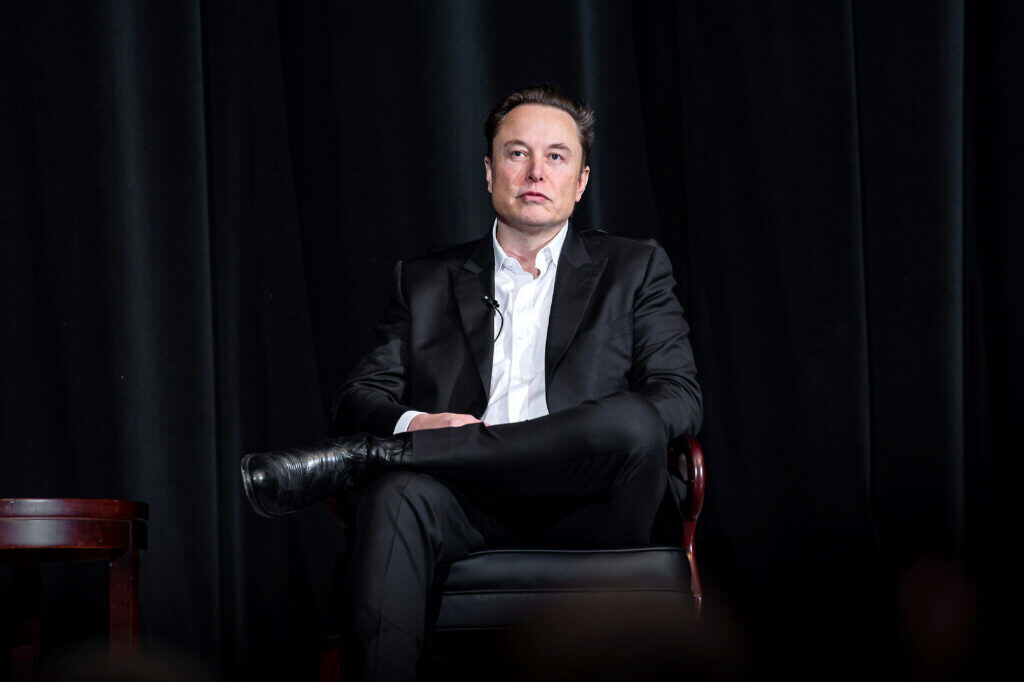
USAFA Hosts Elon Musk at an event in Colorado. Musk is dressed in a black suit, black boots, and is seated in a black chair with brown, wooden arm rests against a black backdrop.

This post was authored by Hogan Founder Robert Hogan, PhD, and Chief Science Officer Ryne Sherman, PhD, and edited by VP of Market Innovation Allison Howell.

In every area of human endeavor there are people who make a living doing things, and there are people who make a living criticizing what others do. Movie critics, literary critics, music critics, architectural critics, foreign policy critics, and business critics. Elon Musk is indisputably the first camp, but as the world’s richest person, he is a natural target for critique. In recent weeks, Musk has faced enormous criticism for business decisions; however, nothing in his biography suggests Musk is narcissistic, malevolent, or experiencing psychosis.

Who Is Elon Musk?

Musk was born 28 June 1971 in Pretoria, South Africa. His father, Errol, was a wealthy engineer, entrepreneur, investor, and property developer, and half owner of an emerald mine in Zambia. His mother was Canadian, which allowed him to immigrate to Canada in 1989, and then move to the US in 1991 where he attended the University of Pennsylvania, earning degrees in Physics and Economics.  

In 1994, Musk moved to Palo Alto to attend graduate school at Stanford University, but quickly decided to join the “internet boom.” With his rich and talented brother, and a loan from his father, he founded Zip2, a kind of travel search engine (for which Musk did the coding) and later sold to Compaq for $307 million in cash. He then founded X.com, an online financial services business, merged with Confinity, an online bank that owned PayPal, and then became CEO. Musk fought with Peter Thiel over search engines, was ousted by the board, but made $175.8 million when Theil sold PayPal to eBay in 2002.

In 2002, Musk founded SpaceX, a commercial spacecraft business. After a rocky start, a $1.6 billion contract with NASA launched it properly. In 2015 SpaceX started Starlink, a chain of satellites intended to bring internet services to remote locations, and which has been a major resource for the Ukrainian military in their war with Russia.  

In 2004, Musk invested $6.5 million in Tesla, an electric car startup, and then became CEO and product architect in 2008. This move met criticism from those who argued the electric vehicle market had no future and that the larger automotive market was already heavily saturated. At the time of this writing, Tesla is the 6th most valuable company in the world, just behind Amazon (5th) and ahead of Berkshire Hathaway (7th). In 2016, Musk founded Neuralink, a company intended to explore connections between computer driven artificial intelligence and neuroscience. In 2017, Musk founded the Boring Company, a high-tech tunnel boring business. In 2017, Musk expressed interest in buying Twitter, his favorite on-line messaging platform, widely regarded as a valuable but poorly managed business. In 2022, Musk completed the purchase of Twitter amidst huge fanfare and business news chatter. 

Although it is too early to tell how Twitter will perform under Musk’s leadership, we see here an astonishing series of large-scale business development successes. This raises the obvious question:  what sort of person is Elon Musk, the world’s richest person? More specifically, what are the psychological keys to his success? 

What Sort of Person Is Elon Musk?

We think there are three keys, and they fall under the headings of power, structure, and style. Power has to do with cognitive capability; structure has to do with cognitive orientation, and style has to do with interpersonal impact. Concerning power, Musk is very smart and, with a background in physics and economics, he knows more about numbers, technology, and finance than most people. In addition, his business associates say he is remarkably perceptive about forecasting business trends and detecting flaws and biases in other peoples’ reasoning. So, he is very smart and has the capacity to make good decisions—not all otherwise intelligent people do. He is not big on planning; he takes action and evaluates his decisions. Or as he Tweeted on November 9th:

Picture1

As for structure, Musk has the same orientation as most entrepreneurs—for whom Hogan has a lot of data. Entrepreneurs, relative to the average person, are analytical, data-based problem solvers, energetic and hardworking (100-hour work weeks are normal), fearless about risk, competitive, and focused on making an impact and a difference. Hard working, fearless, competitive, and achievement oriented—key ingredients for success regardless of cognitive ability.  

Musk describes himself as having Asperger’s syndrome, which has been consolidated under autism spectrum disorder (ASD), and this neurodivergence may affect his interpersonal style. In our experience, ASD is common among engineers, mathematicians, chess players, and entrepreneurs.

People who know Musk describe him as “the life of the party,” and as further testimonial of his vivacity, he hosted the sketch comedy show Saturday Night Live. Outside of work, he often seems witty, irreverent, and mischievous.

As for Musk’s leadership style and effectiveness, this raises a very interesting question.  Leadership is about building high performing teams, and good leaders are people whom others want to follow. Entrepreneurs as a group are bad leaders—like most managers in finance and engineering, they are interested in results and not peoples’ feelings. Musk describes himself as a demanding “nano-manager,” impatient and quick to find fault. He is action-oriented and doesn’t worry much about staff sensitivities.

Musk isn’t the first leader in the public eye to have a reputation of being difficult. Elsewhere we have talked about “the Apple Paradox”: how can someone as duplicitous and unpleasant as Steve Jobs build a business as successful as Apple? Our answer is twofold. On the one hand, the most critical capacity for CEOs is to make good decisions about products and markets, not worry about peoples’ feelings. On the other hand, good managers below the level of the CEO often protect the staff from the bad behavior of abusive CEOs. We know that Musk is an immensely successful entrepreneur and a mediocre leader—but a mediocre leader compared to whom? Zuckerberg? Bezos? Gates? Welch? Rockefeller?

Finally, then, there is Twitter and how Musk’s recent actions to restructure an underperforming and badly managed company have affected it. Although the previous CEO admitted that Twitter was overstaffed, it seems clear that it was a mistake to fire half the workforce without first evaluating their function and performance. This kind of hasty downsizing creates unnecessary worry and confusion among employees, which is unlikely to contribute to high performance. On the other hand, Musk and his engineers have begun a detailed and granular review of every aspect of the Twitter business and that effort is the essential first step in improving processes and products. Musk himself told his new staff “Revolutions are not done with caution. So we want to try things, ideally things that don’t break the system, but . . . as long as we’re agile, and we react quickly to improve things and correct mistakes, I think it’ll be fine.”

In response to Musk’s takeover and layoffs, many individuals impersonating Musk on Twitter engaged in mocking the new owner. It is worth pointing out that, if the target weren’t the Twitter CEO and richest person in the world, some of this mocking would be declared cyberbullying. Regardless, much of the criticism seems to be inspired by critics of Musk’s political views. But like most entrepreneurs, especially very successful ones, Musk is not backing down. Instead, he’s firing back with his own sarcastic Tweets and changing the rules regarding impersonation accounts. It is difficult to say how the Twitter acquisition will work out for Musk, but if his past business ventures are any indication, it would be hard to bet against him.

Topics: leadership development

Reskilling: The Importance of Socioemotional Skills

Posted by Hogan Assessments on Tue, Nov 01, 2022

A crossroads of two distinctly different mountain passes, one roundabout and one straight through a tunnel, illustrates the idea of a reskilling strategy involving socioemotional skills.

How can organizations prepare employees for a future of work that is volatile, uncertain, complex, and ambiguous? The answer is reskilling.

The way we work has changed a lot recently, and that transformation isn’t likely to stop soon. An environment characterized by constant change can be described with the acronym VUCA: volatility, uncertainty, complexity, and ambiguity. Under VUCA circumstances, it can be difficult to forecast the next quarter, much less the next year or decade. Preparing for an unpredictable future is a formidable challenge for organizations, but reskilling is an integral part of success.

Among the numerous drivers of the need for reskilling, two stand out most. The automation of work and the pandemic’s effects on the economy have led to significant changes in work around the globe. As many as half of all employees everywhere will need reskilling by 2025.1

Read on to learn what reskilling is, reasons to implement reskilling, and how Hogan can help.

What’s the Difference Between Reskilling and Upskilling?

Reskilling isn’t the same as upskilling. Upskilling refers to learning new technical skills or disciplines, usually through apprenticeships, certifications, or degree programs. It tends to be job specific, training someone for a known role. Reskilling is a retention strategy to develop talented employees to deploy them elsewhere within the business. Reskilling tends to be generalized because the intended job isn’t known ahead of time. In fact, the job may not even exist yet.

The core competencies and widely applicable skills gained through reskilling equip employees to be agile and adaptable. An important category of skills that help employees flourish in a changing environment is socioemotional skills. At Hogan, we define socioemotional skills as including social skills (e.g., getting along with others), self-regulatory skills (e.g., emotional control, impulsiveness), motivation (e.g., values, interests, preferences), and other personality characteristics including ambition (status-striving) and openness to experience (curiosity).

Among the many reasons to emphasize socioemotional skills in a reskilling plan are that they are most in demand by the most workers and that they offer the best response to VUCA environments in the workplace.

Why Do Employees Need Reskilling?

Reskilling helps companies respond to automation, arm against talent shortage, strengthen retention, and save money. Reskilling is also an employee-positive response to job change. VUCA situations are challenging even to people whose personalities tend to take uncertainty in stride.

Reskilling addresses the rise of automation.

Organizations that reskill employees belong to a large-scale effort to address skills gaps created by automation. In 2019, more than two million people in the US were reskilled or upskilled through more than 70,000 organizations.2 That number, while commendable, is only a small percent of employees who will soon need reskilling.

Automation has become and will continue to be an increasing part of work. McKinsey reported that by 2030 up to 800 million people globally might need new jobs because of automation.3 The report also pointed out that many occupations currently have activities that are automatable, meaning that employees in those roles will likely need to learn new skills and perform new tasks. Reskilling empowers workers to better perform tasks that cannot be automated or to integrate automation into new workflows.

Reskilling addresses the rise of job openings.

Reskilling is an efficient and economical way to address the surge of job openings. Currently, there are more than 11 million job openings in the US but only six million unemployed workers, according to the US Chamber of Commerce.4 While automation might help assuage the technical skills gap in part, reskilling workers by boosting their socioemotional skills will help organizations address talent shortages in two ways. First, they will be able to retain talent with the socioemotional skills to reskill more easily in the future. Second, they will be able to hire from a broader candidate pool with the confidence that talent with socioemotional skills can be more easily developed.

Furthermore, most people are willing to reskill to keep themselves employable. The dual forces of automation and the pandemic have put employees in a frame of mind open to reskilling to retain employment. In fact, research indicates that over two-thirds of workers worldwide are willing to retrain.5

Reskilling increases employee retention.

Reskilling is a direct link to retention. Not only are employees willing to reskill, but they expect and desire development opportunities. In one study, new hires were 42% more likely to be retained if they received job training.6 Forty-six percent of learning and development plans in 2022 wisely prioritized upskilling and reskilling because employees who feel their skills are underused are 10 times more likely to search for a job than those who believe their current job uses their skills well.7

Employees might be disposed to quit organizations that do not offer opportunities to grow in a preferred job and career. According to the Work Institute’s 2021 Retention Report, career reasons—which encompass development, career change, promotion, school, and job security—represented 18% of total turnover in 2020.8 Of those who reported leaving for career reasons, which has been the top-cited cause of turnover for over a decade, 31% named development as their motivation.

In short, people often leave if they don’t receive skills development, but they tend to stay if they do.

Reskilling saves money compared to rehiring.

Reskilling pays for itself quickly. Reskilling programs can cost $10,000 to $15,000 per employee—or even less.9 Rehiring, on the other hand, can cost from 33% to 200% of the employee’s salary depending on the industry and role.10 It’s simply more affordable to retrain and retain than to rehire.

What Are the Steps for Reskilling?

To build a productive reskilling program, follow these three steps:11

Step 1: Conduct assessments.

Even though you may not know which jobs or skills will change, you can still expect to need to reskill employees for new or evolving roles. To identify these talent gaps, organizations need to assess individuals to identify current skills and future potential.

You will be able to create a specific plan for change only if you understand your starting point. Take inventory of the skills currently represented within your organization. Assess your talent, technology, and processes. Be sure not to overlook personality strengths. Personality assessment enables organizations to understand the unique qualities of each employee, as well as the distribution of strengths across the employee base.

Step 2: Strategize needs.

Compare the skills available in your organization with the skills that you are likely to need. Consider what skills may be necessary for new activities in current roles, as well as for altogether new roles. Understanding how values play into employees’ needs is important too. Values speak to the working environment that someone will strive to create. What work do employees want to do? What do they find rewarding?

Instead of being exclusively reactive or predictive in your reskilling strategy, stay dynamic instead. A dynamic approach involves operating within a VUCA environment while identifying talent who are prepared for and receptive to reskilling.

By leveraging what Harvard Business Review calls “skills adjacencies,” organizations can quickly reskill workers who already have foundational knowledge related to new skills.12 For example, a former science educator might excel in B2B tech sales with very little reskilling because she can already communicate complex technical concepts to a nonscientific audience. Or a former journalist might readily reskill into an outstanding podcast host because she already has mastery of interviewing techniques.

The concept of skills adjacencies is essential to the step of strategizing needs because it can often be easier to hire someone who understands statistics than it is to hire a data scientist with at least five years of experience, for instance. Arguably even more than technical skills do, socioemotional skills offer ample skills adjacencies for nearly every role, especially those changed by automation.

Step 3: Create an action plan.

Depending on your organization’s needs, reskilling might look like a program, pathway, or curated experience. It could also be conferences, coaching, or company-wide initiatives. Reskilling should be part of a broader talent development strategy that accounts for employee personality strengths and values.

In putting together your action plan, don’t overlook socioemotional skills. Employers need employees with socioemotional skills—and employees desire to develop socioemotional skills. It’s a combination that begs for reskilling.

The need for socioemotional skills in the workplace has increased dramatically with the evolution of work. According to Pew Research Center, “The value placed on social and fundamental skills in the modern workplace reflects the rapid growth in employment in jobs in which these skills are most important, by 111% and 104% from 1980 to 2018, respectively.”13 With the continued emphasis on workplace automation, the need for socioemotional skills in employees is only likely to increase even more.

Not only do employees need socioemotional skills, but they also value them highly. Nearly all employees want to develop their socioemotional skills, with 84% saying that such training is important to them.9 Leadership is the most desired socioemotional skill of 54% of respondents.9 Recalling that two-thirds of workers are willing to retrain and that socioemotional skills are in extremely high demand, personality-driven talent development makes an essential component of any reskilling plan.

How Can Hogan Help with Reskilling?

Hogan provides data-driven talent insights that help organizations assess the personality strengths and values of their talent.

Strengths – The Hogan Personality Inventory (HPI) has seven primary scales that assess day-to-day, bright-side personality characteristics. The HPI is one of the most versatile of the assessments and can be used across the employee lifecycle. Most related to reskilling are talent acquisition, career pathing, development planning, and succession planning.

Values – The Motives, Values, Preferences Inventory (MVPI) contains ten primary scales that describe what we call the “inside” of personality, or what motivates talent to succeed. The MVPI provides data concerning organizational culture, career motivation, preferred work environments, and leadership characteristics. An employee who wants to interact with people and use science to solve problems would likely show enthusiasm and commitment toward reskilling that involves interpreting data gained through automation for various stakeholders or customers—because it supports their core drivers.

The first stages in creating a reskilling plan are assessing what skills or strengths exist and determining what are needed. Hogan belongs in the assessment stage to provide an evaluation of strengths and values. This helps organizations identify the everyday behaviors of their talent, as well as the environments they value.

Based on those results, Hogan personality data can facilitate development planning to boost the socioemotional skills that are lacking in the workforce, especially among early-career professionals. With hiring managers reporting that socioemotional skills, such as leadership, problem-solving, communication, and teamwork, are lacking in job-seeking college graduates,14 the need for socioemotional reskilling is pervasive.

Whether to reskill teams or individuals or to determine selection criteria, Hogan assessments are the foundation for a reskilling strategy that properly prioritizes socioemotional skills.

Contact us as step one in your socioemotional skills-focused reskilling strategy.

References

  1. The Future of Jobs Report 2020. (2020, October). World Economic Forum. https://www3.weforum.org/docs/WEF_Future_of_Jobs_2020.pdf
  2. Alonso, A. (2021, August 23). Reskilling Leaves Some Workers Behind. SHRM. https://www.shrm.org/hr-today/news/hr-magazine/fall2021/pages/reskilling-leaves-some-workers-behind.aspx
  3. Manyika, J., Lund, S., Chui, M., Bughin, J., Woetzel, J., Batra, P., Ko, R., & Sanghvi, S. (2017, November 28). Jobs Lost, Jobs Gained: What the Future of Work Will Mean for Jobs, Skills, and Wages. McKinsey Global Institute. https://www.mckinsey.com/featured-insights/future-of-work/jobs-lost-jobs-gained-what-the-future-of-work-will-mean-for-jobs-skills-and-wages
  4. US Chamber of Commerce. (2022, September 2). America Works Data Center. US Chamber of Commerce. https://www.uschamber.com/workforce/america-works-data-center
  5. Strack, R., Kovács-Ondrejkovic, O., Baier, J., Antebi, P., Kavanagh, K., & López Gobernado, A. (2021, April 28). Decoding Global Reskilling and Career Paths. Boston Consulting Group. https://www.bcg.com/publications/2021/decoding-global-trends-reskilling-career-paths
  6. Chopra-McGowan, A. (2021, July 13). Make Sure Your Company’s Reskilling Efforts Pay Off. Harvard Business Review. https://hbr.org/2021/07/make-sure-your-companys-reskilling-efforts-pay-off
  7. The Transformation of L&D: 2022 Workplace Learning Report. LinkedIn Learning. https://learning.linkedin.com/content/dam/me/learning/en-us/pdfs/workplace-learning-report/LinkedIn-Learning_Workplace-Learning-Report-2022-EN.pdf
  8. Nelms, D., Mahan, W., Huddleston, K., Jackson, A.T., Spinner, G., French, S., Dean, S., & Witherow, R. (2021). 2021 Retention Report: The COVID Edition. Work Institute. https://bit.ly/3DpraZP
  9. 2022 Workplace Learning & Development Trends: Research Report. (2022). SHRM. https://www.shrm.org/hr-today/trends-and-forecasting/research-and-surveys/pages/2022-workplace-learning-and-development-trends.aspx
  10. Charaba, C. (2022, June 28). Employee Retention: The Real Cost of Losing an Employee. PeopleKeep. https://www.peoplekeep.com/blog/employee-retention-the-real-cost-of-losing-an-employee
  11. Lauby, S. (2020, August 13). 5 Talent Management Trends and the HR Skills They Require. SHRM. https://www.shrm.org/resourcesandtools/hr-topics/employee-relations/pages/talent-management-trends.aspx
  12. Wilde, S., Smith, A., & Clark, S. (2021, November 26). Organizations Need a Dynamic Approach to Teaching People New Skills. Harvard Business Review. https://hbr.org/2021/11/organizations-need-a-dynamic-approach-to-teaching-people-new-skills
  13. Kochhar, R. (2020, January 30). Employment Is Rising Most Rapidly in Jobs Most in Need of Social, Fundamental and Analytical Skills. Pew Research Center. https://www.pewresearch.org/social-trends/2020/01/30/employment-is-rising-most-rapidly-in-jobs-most-in-need-of-social-fundamental-and-analytical-skills/
  14. Dishman, L. (2016, May 17). These Are the Biggest Skills That New Graduates Lack. Fast Company. https://www.fastcompany.com/3059940/these-are-the-biggest-skills-that-new-graduates-lack

Subscribe to our Blog

Most Popular Posts

Connect