
 There’s an old sales adage: the person who asks the questions controls the agenda.
How well do you ask questions? Even though salespeople are very deliberate and strategic in their question-asking, most managers and leaders don’t think about this issue. After all, you don’t usually find “the ability to ask good questions” on any list of managerial competencies, but asking questions effectively is a major underlying part of a manager’s job, which suggests that it might be worth giving this skill a little more focus.
Dan Black, in On Leadership , states that “Having and maintaining relationships is essential when it comes to leadership. One essential aspect to learning about, connecting with, and relating to the people in your life comes through the art of asking good questions.” This is an essential ingredient to becoming a relational leader.
Two basic question-asking principles can be valuable tools for a leader: open-ended questions and clarifying questions.
1. Open-ended questions can lead to a better discussion and a deeper level of conversation. This is because they require more than a yes or no response. One example is: “What is your most pressing business challenge in taking on this project?” This question type keeps a conversation alive and flowing.
2. Clarifying questions show engagement and bring clarification to what the other person is saying. Some examples: “Can you be more specific?” or “Can you share an example?” An interesting consequence to asking a clarification question is that it spawns successive questions.
Socrates observed that you can tell how clever a person is by their answers, but you can tell how wise a person is by their questions. Most of us never think about how to frame our questions, but doing so not only improves a one’s inquiry skills, it can, as our sales adage reminds, help us gain something strategically.
There once were two monks who lived an uncomplicated life of peace and devotion at the monastery. Both were exemplary individuals, but each also had one vice, that of cigarette-smoking. Smoking was a privilege rarely granted by the Monsignor, and permission had to be granted.
One day, both monks had an insatiable desire to smoke, so they each separately approached the monsignor to ask permission to smoke. One monk returned shortly with an anger he could barely control, saying the monsignor had denied him the opportunity to light up. The other monk returned to their dorm and immediately lit a cigarette.
The denied monk was furious. “How did you get to smoke and I didn’t?” he queried. “I asked if I could smoke while I prayed in the chapel–I was flatly denied; what in providence did you ask?” The other monk smugly answered, “I merely asked the Monsignor if it would be all right if I continued to pray while I smoked!”
The art of asking good questions is essential in learning about, connecting with, and relating to the people in your life where relationships matter.
 In the mid-1950’s, a Hungarian endocrinologist, Dr. Hans Selye, wrote a seminal book called The Stress of Life, in which he conceptualized the physiology of stress. One of the many findings that intrigued him involved individual differences in the reaction to, and coping adaptations to stressors. In one of his anecdotes, he relates the story of twin sons who grew up with a raging alcoholic father
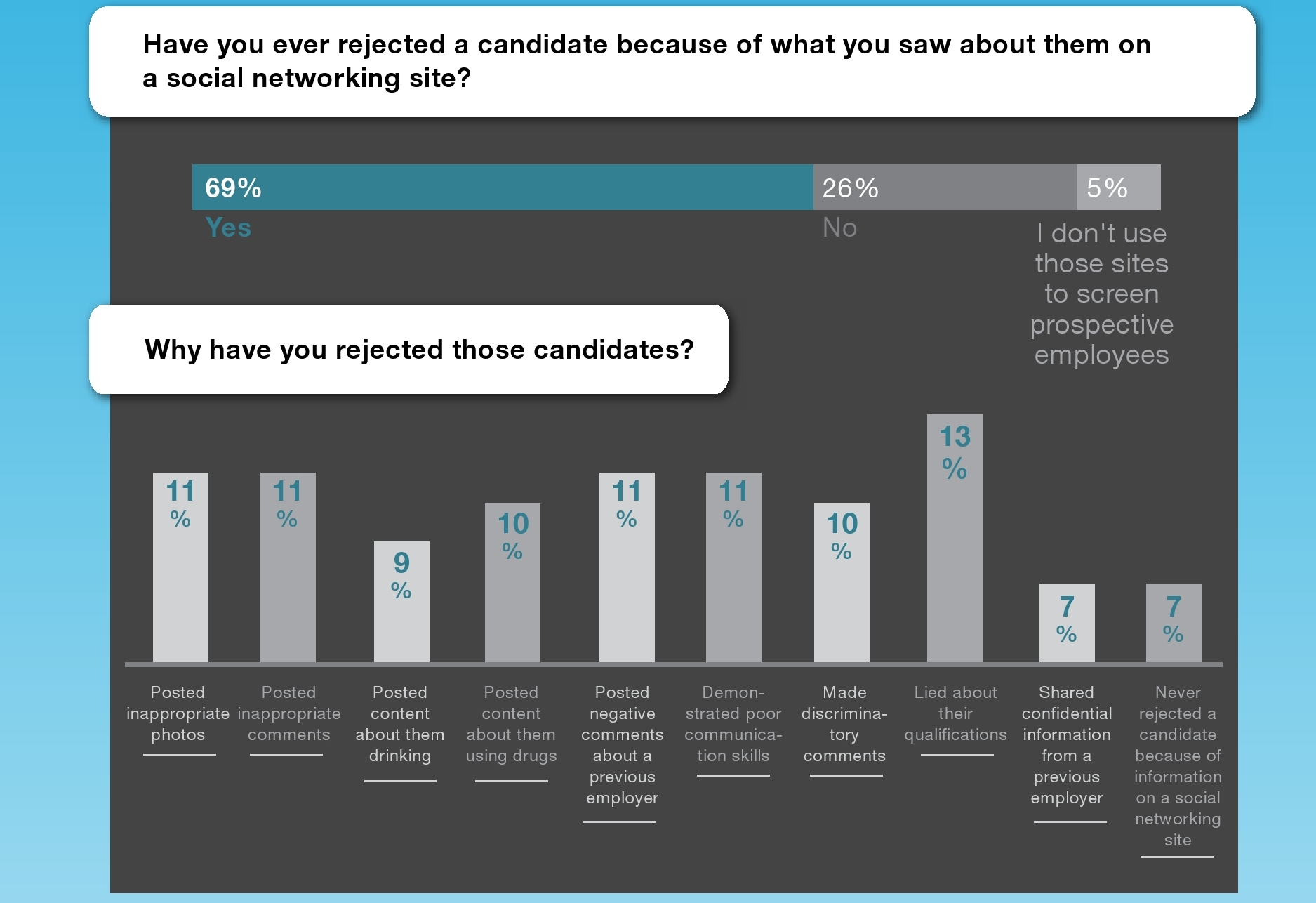
  Gone are the days when all job seekers had to worry about were their résumés and cover letters. Today, those documents still remain a staple of the job search process, but they are joined by a significant and growing pre-screening phenomenon:
  Jerry Seinfeld once remarked that “the only difference between a job interview and a blind date is that there is a slightly higher chance you’ll be naked at the end of the date – otherwise, they’re not that much different.” Indeed, both share a lot in common; two strangers meeting for the first time, trying to figure each other out, trying to see beyond the facade and evaluate the person.
 Three unrelated events have transpired over the last few weeks that have inspired me to share a message with you that you know all too well: translating meaning from one language to another language (accurately) is very tricky business. Secretary of State Hillary Clinton learned that lesson the hard way when she presented Russian Foreign Minister Sergei Lavrov with a gift bearing an incorrect translation—one that implied hostility, rather than peacemaking. Clinton presented Lavrov with a orange button which said “Reset” in English and “Peregruzka” in Russian. The problem was, “peregruzka” doesn’t mean reset. It means overcharged, or overloaded. Lavrov called her out on it.