Distributor Spotlight: Advanced People Strategies

Posted by Hogan Assessments on Tue, Mar 23, 2021

Advanced People Strategies logo

Since 2004, Advanced People Strategies (APS) has been an authorized Hogan distributor and provider of leadership and organizational development in the United Kingdom. Having certified more than 4,200 clients in the Hogan personality assessments and provided around 83,000 reports, APS is a key distributor for Hogan.

About the Advanced People Strategies Team

Founded by Chris Humphreys in 2003, the company’s name reflects the team’s ongoing aspiration to be a trusted partner to clients. APS strives to provide the best tools and techniques that can visibly improve people skills and organizational capabilities. All senior consultants have experience working in various industry sectors, which helps them better understand and support client needs.

To promote awareness of Hogan, the IT and Learning & Development teams use the latest virtual skills development technology to provide online meeting simulations and facilitator-led learning sessions for remote and office-based participants all over the world. Development needs identified by Hogan’s assessments and real-world simulation assessments are quickly translated to learnable tools and techniques through facilitated learning and skills practice sessions online. These tools allow organizations to maximize value by investing in targeted skills development.

We asked the APS team a few questions to help you learn more about their important work in the UK market.

Where have you seen the most growth in the UK market?

Executive recruitment firms have been a key sector showing interest in Hogan tools. The quality of Hogan assessments helps recruiters add real depth for their clients in understanding their candidates as part of the selection process. In a difficult market, using Hogan tools has supported these organizations as they expand their range of services and focus on leadership and executive team development activities to differentiate themselves.

What is the number-one lesson you’ve learned from responding to the COVID-19 crisis?

Agility is key. Being able to adapt to changing circumstances is critical to both our mental health and business continuity. The UK has had to cope with uncertainty from Brexit, government elections, and the COVID-19 pandemic. Turning on the news can have such a negative effect. In times of crisis, real leaders emerge to offer hope and inspiration. They are often humble and dismissive of their impact, but they make a difference.  

What are you most excited to see happen in 2021?

Being able to meet clients and colleagues face-to-face. We believe we are stepping into a paradigm shift regarding the nature of work. As many people and organizations have been forced to work from home for so long, benefits are emerging. Office requirements, business travel, and support for supply chains will change. Leaders have a lot to do and consider, and their selection and development is more critical than ever.

Topics: distributors

We Are Not the MBTI

Posted by rtrost@hoganassessments.com on Tue, Mar 23, 2021

duck on water

Often when I meet someone for the first time, I am asked what I do. When I describe the work we do at Hogan and the personality assessments we create for clients, the invariable response is, “Oh, like the MBTI.” Well, not even close. Although the Hogan assessments and the MBTI (Myers-Briggs Type Indicator) are both designed to provide insight into personality, they are dramatically different. Think about ducks and hummingbirds: both are birds, but you probably shouldn’t expect a hummingbird to swim or a duck to eat sugar water while hovering in the air. Similarly, you shouldn’t expect the MBTI to help you make consequential decisions in your organization, but you can confidently use Hogan assessments to do so. Here’s why.

Theoretical Foundations

The MBTI is based on Carl Jung’s theory of psychological types, which was based on his beliefs and observations — not substantiated science. Katharine Cook Briggs and her daughter, Isabel Briggs Myers, had read about Jung’s ideas and used them to create the MBTI, but neither had any training or education in psychology.

The Hogan assessments, on the other hand, are based on socioanalytic theory, which is rooted in multidisciplinary science. Created by Robert Hogan, PhD, a highly trained and internationally renowned personality psychologist, they are regularly updated and validated by a team of master’s- and PhD-level psychologists.

MBTI Usability for Selection

The MBTI should not be used for selection. We’re not making this up; the Myers-Briggs Company says this.

Hogan assessments were expressly designed for use in employee selection in addition to other workplace uses. In fact, the Hogan Personality Inventory was the first measure of personality based on the Big Five — that is, the most widely accepted model of personality — designed specifically to be used in the workplace. The Big Five model of personality has been studied extensively by personality psychologists over the past half century and now forms the basis for most new research on personality. One of the many strengths of this model is its universality; it captures how people, regardless of geography or language, describe each other.

Hogan’s assessments are supported by more than 30 years of research demonstrating their validity for workplace applications. Nonetheless, assessment users are often concerned about potential demographic differences in assessment results that could impact work outcomes. Well-developed personality measures, in general, and Hogan assessments, specifically, show trivial differences in comparisons across genders, races and ethnicities, and ages, indicating they make selection practices more equitable, regardless of demographic differences among assessees.

Usability for Development

If your organization’s objective is to help people gain insight about their identities, the MBTI may help you do so. The question is do you need an assessment to inform you about your identity? The only expert on your identity is you, so if you think the assessment results do not reflect it, the assessment provides no developmental value.  

I often hear practitioners acknowledge the well-known psychometric limitations of the MBTI that prevent its usefulness in selection while in the next breath indicating that it’s OK to use if the purpose is development. That’s problematic. Why should the scientific standards you apply to selection be lowered for development? Shouldn’t development assessments be focused on characteristics that predict important work outcomes? Isn’t the purpose of development in the workplace to improve performance?

If, however, the purpose of your organization’s development investments is to help people gain insight about how their personality and behavior impacts their reputation (i.e., how others describe and interpret their behavior) and outcomes that matter (e.g., effectiveness at leading people), Hogan assessments are appropriate and designed for the purpose. Unlike identity, the experts on your reputation are other people you work with, not you, and their perspectives are what influence whether they will follow you, want to interact with you, or trust you. It is useful to gain insight about your reputation if you want to understand where to focus your development efforts.

To be clear, the purpose here is not to convince you that the MBTI has no useful applications. It is to encourage you to look deeper into any assessment before assuming they all are the same or interchangeable, and to encourage you to use the assessment that is appropriate for the application and outcome you intend. If it walks like a duck and quacks like a duck, it’s probably a duck and not a hummingbird.

Topics: personality

Using Personality Tests in Interviews: The Ticket to Hiring Success

Posted by Hogan Assessments on Tue, Mar 16, 2021

Using Personality Tests in Interviews

Never underestimate a sound talent acquisition strategy. When organizations commit to using personality tests in interviews, they find candidates who fit seamlessly into their roles. And the candidates who discover a perfect synergy between their personalities and roles? They end up making magic on the job. 

The Curious Case of Deputy Elton Simmons

Consider Los Angeles County Sheriff’s Deputy Elton Simmons, a traffic cop whose story went viral in September 2012. His fame came from being something of a paradox: he gave people citations, but they still liked him.          

It all started when Captain Patrick E. Maxwell looked at Deputy Simmons’s record and made a shocking discovery. Despite the deputy’s two decades patrolling La Mirada’s roads, Deputy Simmons’s record remained totally free of complaints. As Captain Maxwell later explained to the media, a zero-complaint career in law enforcement is highly unusual. Almost all traffic patrols have complaints on file, simply because drivers do not appreciate citations. 

So how did Deputy Simmons maintain such a flawless record? How did he manage to discipline bad drivers and endear himself to the public? At first, you might assume that his popularity was a result of being unusually lenient. But that isn’t true — Deputy Simmons handed out more than 25,000 citations during the course of his career.                        

Journalist Steve Hartman shadowed the deputy for a day to see what his secret was. Hartman found a fairly simple explanation: Deputy Simmons delicately balanced authority with diplomacy.

At every opportunity, Deputy Simmons tried his best to offer people the benefit of the doubt. He also tried to avoid lectures and condescension. If a citation was necessary, he made sure to issue it with a kind smile. In short, Deputy Simmons exhibited fantastic interpersonal skills, which provided the Los Angeles County Sheriff’s Department with some great free publicity.

How to Recreate the Magic of Deputy Simmons

If all officers went through the same hiring process, then why did Deputy Simmons outperform the rest? If you guessed personality, then you are absolutely correct.

Deputy Simmons’s personality was well suited for his career in law enforcement.

Thankfully, your organization can be just as fortunate as the Los Angeles County Sheriff’s Department was with Deputy Simmons. Personality can be scientifically assessed and easily integrated into the hiring process. Furthermore, using personality tests in interviews can also safeguard against hiring ineffective candidates.

The Dangers of Derailment

Although a candidate’s intelligence, experience, and education are all important factors to consider, screening for these will not prevent derailment. 

Derailment is what happens when people cease to manage their behavior effectively at work, usually due to increased stress or pressure, although triggers can vary. Given that workplace stress is nearly ubiquitous, how candidates manage that stress determines how effective their job performance will ultimately be. The advantage of using personality tests in interviews becomes obvious when you examine how a mismatch between personality and role can end up derailing performance.

Let’s use an example. Imagine an officer who has an identical personality to Deputy Simmons, except one thing: he becomes withdrawn and tough when stressed. Do you think our imagined officer would be as consistently diplomatic as Deputy Simmons? Or what if our imagined officer differed in that he became more skeptical when stressed? Do you think this officer would give the public the benefit of the doubt as much as Deputy Simmons has? Or what if our imagined officer had less interpersonal sensitivity, would he still come across as understanding instead of condescending? You get the point. If a candidate’s personality does not closely align with the role, the risk of underperformance and derailment is high.        

Interviewers know that a candidate’s personality is important. Accordingly, most attempt to assess personality informally during interviews. They may ask candidates to elaborate on their résumés and ask random follow-up questions. But robust evidence shows that interviews without personality assessment data reveal little about candidates.

Interviews Need to Be Backed by Data

All candidates are on their best behavior during interviews. That’s why hiring managers need data to discern the subtle differences between those who are great, those who are good, and those who are ineffective.

Interviews without data pose a threat. You might overlook hidden gems and instead favor candidates who are skilled at making first impressions. In other words, data-free interviews sometimes let ineffective candidates rise to the top of the selection pool.

These ineffective candidates are what we call emergent, or highly charismatic and gifted at self-display. These candidates often outshine candidates who are what we call effective, or hardworking but less attention-seeking. During situational and behavioral style interviews, questions about opinions, attitudes, goals, aspirations, self-descriptions, and self-evaluations are often attempts to see personality at play. What interviewers may not know is that this ambiguity permits ineffective candidates to give a rosier view of their credentials. They may choose to focus on details irrelevant to the job to make a more favorable impression. This doesn’t mean that candidates are deceptive — just that people tend to idealize their own identities.

Conversely, if personality testing is implemented early in the hiring process, candidates will have very little opportunity to overstate their competencies. Interviewers will be able to see how candidates’ personality data overlap with how the candidates describe themselves. Our personalities remain stable during our adult lives, so you can expect the person you hire this year will still exhibit the same patterns of behavior in the future. One study found that teacher ratings of students’ personalities predicted their behavior 40 years later. 

All things considered, interviews are an incomplete hiring solution. Organizations that opt for using personality tests in interviews end up asking better interview questions. These data-driven questions are more focused and reveal more about who the candidate really is.

Hire Faster, Hire Better

Using personality tests in interviews also streamlines the candidate pool by standardizing the information you gather for a batch of candidates. Rather than slowing down the hiring process, this boosts efficiency by cutting down on the number of interviews. Companies that use personality tests see the applicant-to-hire ratios go down about 12%. Additionally, interview-to-hire ratios go down as much as 50%. These statistics mean that organizations can focus on quality over quantity. They will interview fewer people and the interviews that they do conduct are more focused.             

Lastly, using personality tests in interviews means you can measure values, or whether the candidate will actually enjoy the job. Happy employees make engaged employees. Engagement impacts whether an employee is willing to muster the discretionary effort that pushes an organization from surviving to thriving. 

In short, if you want to identify candidates who will perform like Deputy Simmons, you should assess your candidates before giving them a green light for an interview.

Want to learn more about hiring the right way? Check out our guide to crafting next-level talent identification, interviewing, and selection processes

Topics: personality

The Dark Truth Behind Hiring Assessments

Posted by Hogan Assessments on Fri, Mar 05, 2021

The Dark Truth Behind Hiring assessments

At Hogan we have been warning about widespread use of inaccurate – non-scientifically based – personality tests for decades. When poorly developed hiring assessments are used in high-stakes settings they are damaging to both the individuals being tested and the organizations using them. A newly released HBO Max film highlights the critical importance of using scientifically valid, accurate, and fair personality assessments, like those developed at Hogan. Hogan has always prioritized accuracy, fairness, and constant validation of our assessments above all other factors. On issues of accuracy and fairness, we do not compromise.

At Hogan, we watched the new film with great interest. It discussed many concerns with personality testing and even Industrial/Organizational Psychology as a whole. Unfortunately, the basis for many of those concerns is inaccurate, but we applaud the film’s main premise, which is that non-scientific and discriminatory testing in any form should not be used to make hiring decisions. That point resonates with us. The film also discusses several approaches to personality assessment, although it does not differentiate between scientifically valid and nondiscriminatory kinds of assessments and ones that are neither science-based nor fair, which is disappointing.

Alternatives to hiring assessments

While the film is highly critical of personality assessments, it also never considers the alternatives to personality testing. That is, what if personality tests were not allowed? Two of the most common ways to evaluate job candidates today are the resume review and the interview. It is well-documented that resumes, which contain the applicant’s name and other background characteristics such as schools attended, are subject to discrimination during the review process because a candidate’s sex, gender, and race are often implicitly revealed. And, of course, interviews provide a wealth of information about a candidate’s demographic factors that are not relevant to job performance. As a result, both resume reviews and interviews are well-known to be potential sources of bias and discrimination in the hiring process. The strength of scientifically constructed personality tests is that they are blind to matters of sex, race, gender, sexual orientation, etc. In fact, personality tests have been consistently shown as one of the fairest ways to evaluate candidates for jobs.

The reality is that employers must make judgments about job candidates. The key question omitted by the film is: what is the best way to make those judgments that are both accurate and fair? Abandoning personality testing in favor of resumes and interviews is a recipe for more bias and discrimination. While we appreciate the film drawing attention to the vast array of unscrupulous and harmful test providers on the market, we are disappointed that it failed to recognize the many test providers who provide a fair and accurate way for individuals to be evaluated as job candidates.

We (and many researchers unaffiliated with Hogan) have published research on the accuracy and fairness of our assessments for years. That research is easily accessible to anyone who wants to do their homework on well-developed, appropriately used personality assessments. When considering personality assessments, we urge any potential user to review the research on which they are based and to become fully educated on their appropriate use.

Related Content: Why Free Personality Tests Aren’t Worth the Price

Topics: candidate selection

Virtue or Vice? What Personality Tells Us About Patience

Posted by SGregory on Tue, Mar 02, 2021

A bald black man with gray facial hair wears a light gray blazer with a navy blue collared shirt underneath. The city is an out-of-focus backdrop. The man furrows his brow as he checks his wristwatch, portraying patience or perhaps impatience.

“Why can’t we make more, and why can’t we make it sooner?” asked Pfizer CEO Albert Bourla of his manufacturing leader, according to a recent Wall Street Journal article.1 The article goes on to describe and praise Bourla’s demanding leadership style, a decided departure from the popular press on more gentle approaches to leadership.2 Pfizer’s stellar performance in delivering the COVID-19 vaccine was driven, in part, by Mr. Bourla’s impatience. This raises a critical question: have we swung too far toward celebrating a kinder, gentler approach to leadership and lost sight of the balance required to produce results and engage employees’ hearts and minds?

For at least several centuries, patience has been considered a virtue. Articles and books about patience almost universally seem to assume that more is better. As children, we are taught to be patient (e.g., “Wait your turn,” and “Good things come to those who wait”). Even the Cambridge Dictionary’s definition rests on the assumption that more is better: “the ability to wait, or to continue doing something despite difficulties, or to suffer without complaining or becoming annoyed.”3

However, it also has been suggested that patience is a vice. For example, Parkinson’s law states that work expands to fill the time available. That is, being patient (and therefore slow) will result in wasted time; if one doesn’t exhibit impatience for getting things done, those tasks will take more time than necessary. Horstman’s corollary to Parkinson’s law, on the other hand, states that work contracts to fit the time we give it, which also suggests that a bit of impatience leads to greater efficiency. More practically, consider whether patience is productive in the case of a manager who, unlike Mr. Bourla, patiently waits for work to be completed instead of setting aggressive deadlines. Would patience be productive or unproductive for an entrepreneur trying to be first to market with a new product? The current popularity of agility and digitalization certainly doesn’t seem to characterize patience as a virtue.

So how can we tell which it is — a virtue or a vice — in a given circumstance? Unfortunately, and surprisingly, the academic literature doesn’t provide an answer. To gain insight, we reviewed correlations between personality characteristics and observer descriptions of patience.

Certain personality characteristics seem most related to observer descriptions of patience or impatience. These Hogan Personality Inventory scales measure those characteristics:

  • Adjustment – measuring the degree to which one is seen as calm and even tempered or conversely moody and volatile
  • Interpersonal Sensitivity – measuring social skill, tact, and perceptiveness or conversely independence, frankness, and directness
  • Prudence – measuring self-control and conscientiousness versus impulsivity, flexibility, and resistance to rules and supervision

More patient people are described as being calmer, more polite and tactful, and more self-disciplined. Sounds good, right? So we might conclude that patience really is a virtue — except our research also shows that one can have too much of a good thing when it comes to these personality characteristics. For example, a person who scores extremely high on each of the three scales might be described a bit differently:

  • Adjustment – lacking a sense of urgency and being nonchalant about priority assignments
  • Interpersonal Sensitivity – avoiding confrontation, being overfocused on getting along, and hesitating to address poor performance
  • Prudence – controlling, having difficulty managing change, micromanaging, and seeming rigid and inflexible

Thus, extremely patient people might be inefficient, tentatively communicate expectations for results, and lack adaptability. Too much of a good thing can be a bad thing, and patience can be a virtue or a vice.

Personality assessment or 360-degree feedback is critical for helping leaders understand if they are hitting the sweet spot in terms of patience — being even tempered and urgent, diplomatic and direct, and conscientious and adaptable. Demonstrating these characteristics in balance seems likely to earn one a reputation of having the virtue of being productively impatient.

Want to learn more about personality tests? Check out The Ultimate Guide to Personality Tests

References

1. Hopkins, JS. (2020, December 11). How Pfizer Delivered a Covid Vaccine in Record Time: Crazy Deadlines, a Pushy CEO. Wall Street Journal. https://www.wsj.com/articles/how-pfizer-delivered-a-covid-vaccine-in-record-time-crazy-deadlines-a-pushy-ceo-11607740483?mod=searchresults_pos16&page=1

2. Feintzeig, R. (2020, December 3). The Covid Pandemic Produces a Kinder, Gentler Performance Review. Wall Street Journal. https://www.wsj.com/articles/the-covid-pandemic-produces-a-kinder-gentler-performance-review-11607025600

3. Cambridge University Press. (n.d.). Patience. In Cambridge Dictionary. Retrieved February 23, 2021, from https://dictionary.cambridge.org/us/dictionary/english/patience

Topics: personality

Distributor Spotlight: Assessment Systems

Posted by Hogan Assessments on Tue, Feb 23, 2021

hogan-spotlight-picture-BW

Two decades ago, Robert Hogan, PhD, approached Rosta Benák, an emerging Czech I/O psychologist, about laying the foundation of online personality assessment in Central Europe using the solutions of Hogan Assessments. Thanks to their professional relationship, Assessment Systems was founded. The enthusiasm and professionalism of the Assessment Systems team, combined with a glocal* approach to business and HR consulting, made Assessment Systems the market leader in the Czech Republic and Slovakia. Assessment Systems has since earned the long-lasting trust of many satisfied regional and global clients and has become a key player in HR consultancy in the Central and Eastern Europe (CEE) and Commonwealth of Independent States (CIS) regions.

*Note: “Glocal” is not a typo; it is a global approach with local adaptation.

“Assessment Systems has been our partner in our top management team development, along with our strategic talent management projects, over the last years. They always demonstrated responsible and professional approach with high-quality standards and confidentiality. We highly value the level of client service and engagement, along with high prudence of all of their people.”

—E.L. Pacyna

Deputy Department Director

Head of L&D and Assessment Department of HR Policy

Norilskyi Nikel

Started in the Czech Republic, the Assessment Systems team grew continuously, opening international offices with local staff in Slovakia, Hungary, Serbia, Croatia, Poland, Russia, and Kazakhstan. Currently more than 60 consultants who speak 14 different languages work together to help their clients with talent management. In 2020 alone, Assessment Systems served more than 900 satisfied corporate clients globally, accommodating clients’ needs and helping them navigate changing circumstances caused by the global pandemic.  

“What our clients like the most about Hogan Assessments is that it works! And it works better than anything else out there.”

Rostislav Benák

Chairman of the Board

“It is amazing and priceless to get such a deep and precise analyses of a personality that allows to develop people and make science-based HR decisions that helps companies reach their strategic goals with fewer mistakes!”

Aleksey Buryachenko

Managing Partner Russia, Kazakhstan, and CIS

“If you would like to understand the full complexity and nature of someone’s personality, call Hogan. This is the only assessment that is able to show us the controversial nature of people. As one of our clients said: Hogan is so precise as if someone installed cameras in their office and I got the recording.”

Gábor Füzér

Country Manager, Hungary

Client Case Study: From a Local Project to International Business

Let’s have a look at how it all works in practice with an example of a successful project. It all started when a team at a global management consulting company was looking for a soft-skills development project that would take into account the individuality of each participant. The client was not interested in yet another generic soft-skills training session.

There was no doubt that involving Hogan and working with each participant’s personality assessment results on an individual level would offer what the client desired — and the project was a success. Positive feedback quickly spread to other teams, and Assessment Systems soon started delivering additional training sessions for other multinational teams at all organizational levels. Consultants in or from Hungary, Poland, Czech Republic, and Serbia delivered the trainings first for international groups, then later in the local languages for local teams. The sessions covered a big variety of topics, including leadership skills.

Every individual who joined the trainings learned how personality shapes success at work and strategies for individual development. The client liked the “know thyself” style of the trainings so much that they decided to organize a certification workshop for their HR professionals, expanding the use of the Hogan personality assessments to other in-house projects.

Searching for a localized, global solution in the CEE and CIS regions? Contact Assessment Systems.

Topics: distributors

The Big Five Personality Characteristics: A Look Behind the Hogan Personality Tests

Posted by Hogan Assessments on Tue, Feb 09, 2021

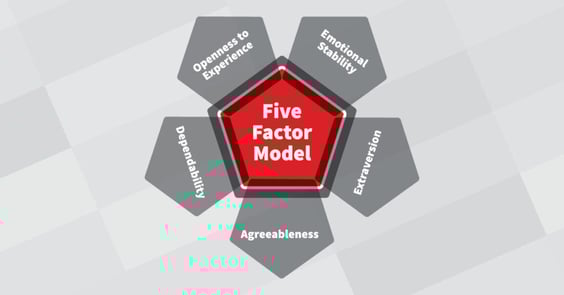
The Big Five, or the five-factor model of personality, includes the following: emotional stability, extraversion, agreeableness, dependability, and openness to experience.

If you’re learning about the Hogan personality tests, you’ve almost certainly heard about the Big Five. And if that was the first you’d heard of the term, you probably wondered, “How big could the Big Five be if the concept was unknown to me before today?” Well, in personality psychology, it’s important, and it’s easiest to understand if we first review a little history.

In the mid-20th century, many personality tests were available, but they all measured different sets of personality characteristics.1 Then, during the 1960s, two Air Force researchers produced an obscure report arguing that personality could be measured in terms of five broad categories, a concept that later came to be known as the five-factor model of personality.1 By the 1980s, the idea of the five-factor model had reached academic circles, and most personality psychologists agreed that personality could be described with five factors.1 Since then, this model has been studied extensively and has withstood much scrutiny by scholars.

Today, the five factors that form the basis for most new research on personality are commonly referred to as “the Big Five,” a term first coined by personality psychologist Lewis Goldberg, PhD, in 1981. The Big Five include emotional stability, extraversion, agreeableness, dependability, and openness to experience.

The Hogan Personality Inventory

The five-factor model formed the basis for the research behind the Hogan Personality Inventory (HPI), the first personality test designed to assess occupational performance.

Originally published in 1986, the HPI measures normal personality, a component of reputation that describes day-to-day strengths and weaknesses. When it was first developed, the HPI measured personality in five dimensions: adjustment (emotional stability), intellectance (openness to experience), sociability (extraversion), likeability (agreeableness), and prudence (conscientiousness).

The HPI has since been expanded to include seven scales and 42 subscales, which add additional nuance in understanding normal personality. Keep reading to learn more about how these five dimensions formed the basis for the HPI in its current form.

Emotional Stability: Adjustment

Emotional stability, sometimes called neuroticism, relates to the HPI’s Adjustment scale. As its name suggests, this dimension of the Big Five regards a person’s tendency to experience negative emotions. The HPI’s Adjustment scale measures confidence, self-acceptance, and stability under pressure. While high scorers tend to handle pressure well and expect to succeed, low scorers are less stress tolerant but also more likely to admit their shortcomings or mistakes and try to fix them.

Extraversion: Ambition and Sociability

The extraversion dimension of the Big Five forms the basis for both the Ambition scale and the Sociability scale of the HPI. Extraversion regards the degree to which people are either extraverted or introverted, as well as their assertiveness, sociability, and level of comfort with being the center of attention.

Hogan’s Ambition scale measures the degree to which a person seems socially self-confident, leaderlike, competitive, and energetic — or conversely the degree to which a person is laidback, flexible, noncompetitive, and a good team player.

Hogan’s Sociability scale measures the degree to which a person seems to need or enjoy social interaction. Low scorers on this scale tend to listen more than they talk, be task oriented, work well independently, and prefer structured meetings, whereas high scorers tend to be approachable and friendly, be busy and full of energy (sometimes to the point of distraction), talk more than they listen, and build relationships with a variety of people.

Agreeableness: Interpersonal Sensitivity

The agreeableness factor of the Big Five relates to the HPI’s Interpersonal Sensitivity scale. Tact, cooperation, empathy, and friendliness are all characteristics associated with agreeableness. The HPI’s Interpersonal Sensitivity scale measures the degree to which a person is seen as perceptive, diplomatic, warm, and considerate, or on the other hand, likely to confront poor performers, tough, and willing to take unpopular positions.

Dependability: Prudence

The dependability factor, also called conscientiousness, relates to the HPI’s Prudence scale. Personality characteristics such as preparedness and detail orientation are associated with this factor. Likewise, the HPI’s Prudence scale measures the degree to which a person seems conscientious and rule abiding. While high scorers on this scale tend to be orderly, reliable, and attentive to rules and details, those who score low are more likely to be comfortable with ambiguity, flexible about rules, and capable of quickly changing direction.

Openness to Experience: Inquisitive and Learning Approach

The openness to experience factor forms the basis for two of the HPI’s scales, both the Inquisitive scale and the Learning Approach scale. This factor regards creativity, abstract thinking, curiosity, and openness to new experiences and challenges.

Hogan’s Inquisitive scale evaluates imagination and problem-solving. People who score high on Inquisitive are often creative, adventurous, and open-minded, tending to think quickly on their feet and strategically about the big picture. Low scorers, on the other hand, are more likely to be seen as levelheaded, pragmatic, and process focused.

Hogan’s Learning Approach scale measures the extent to which a person seems to enjoy learning. While high scorers on this scale will seem to be goal focused and to value education for the sake of education, they might also be averse to working on tasks they deem uninteresting. Low scorers, by comparison, tend to prefer a more hands-on approach to learning and focus on applying existing skills, but they might also be unconcerned with learning new ones.

Conclusion

Human personality is complex. While thinking about personality in terms of only five factors might make it sound simple, know that the Big Five comprise a vast range of personality characteristics that — throughout history and across cultures — have helped people identify ways to get along with others in their social groups and get ahead in the social hierarchy.

In regard to the HPI’s seven scales, each is measured in percentiles based on decades’ worth of personality research — so high, average, or low scores on any of these scales can tell us a lot about a person’s strengths and shortcomings. Moreover, HPI scores should always be interpreted as part of a bigger picture. Hogan-certified assessment administrators are trained to look at a few different things when they interpret HPI results: (1) scores on different scales in combination with one another; (2) scores from Hogan’s other two personality tests, the Hogan Development Survey and the Motives, Values, Preferences Inventory; and (3) the context of a person’s background and career. As a result, the potential social outcomes are completely unique to each individual.

Want to learn more about personality tests? Check out The Ultimate Guide to Personality Tests

Reference

1. Hogan, R, & Smither, R. (2008). Personality: Theories and Applications. Hogan Press.

Topics: personality

What is Personality? Identity Versus Reputation

Posted by Hogan Assessments on Fri, Jan 29, 2021

What is Personality?

Almost everyone acknowledges the importance of personality in distinguishing people from one another and making judgments about others. For example, when selecting a romantic partner, our research shows that 79% of men and 84% of women cite personality as their primary consideration. But what is personality, exactly? On a basic level, we can say it is a person’s disposition or core wiring and the thoughts, feelings, and behaviors that stem from it.

Most of us believe that we are intimately aware of our own personalities, but this belief is only partially true. Indeed, we are experts on our personalities from an inside view, which can be defined as identity. Our identities are formed by the stories we tell ourselves about ourselves, and as with any good story, we tend to bend the truth. In the case of identity, the story is often overoptimistic.  

Others do not have access to the Pollyannaish stories of our identities. Instead, they experience our personalities from an outside view to decide the other major component of our personalities: reputation.

Identity Versus Reputation

A divide often exists between identity and reputation. We frequently misjudge ourselves, either being too hard on ourselves or, in most cases, inflating how our capabilities compare to others’. Therefore, we tend to have an incorrect understanding of our own performance, whether it be interpersonal sensitivity, leadership skills, ability to judge character, problem-solving, sense of humor, etc. Without reputational feedback, our identities can easily veer off into the realm of fantasized talent.

A great showcase for identity’s miscalculations can be found in the auditions phase of the reality TV show American Idol. Even if you have never seen this show, you are probably familiar with scenarios, either in fiction or real life, where a contestant either blew away the judges with the talent shown during the audition or the horrendous lack thereof. Let’s focus on the latter: the people who underperform in their auditions and are shocked, angered, and overcome by disbelief when judges such as Simon Cowell bluntly tell the hopeful contestants that they can’t sing.

What’s fascinating about these instances is that many of these unskilled singers do the auditions thinking that they are about to give one of the best performances of the season. Clearly, these contestants are hyperfocused on their identities and are crushed when they are told that others do not perceive them as they perceive themselves. Thankfully, instead of humiliating ourselves on national television, we can look to Hogan’s extensive database of personality research in order to learn more about the importance of our reputations.  

Reputation > Identity

Our data show that American Idol contestants are not unusual and that a significant proportion of people take identity-focused approaches to their careers in business.

This reputational ignorance is often consequential because occupational success is largely dependent on what others think about you, whereas identity is mostly irrelevant. In fact, it doesn’t really matter how well suited you believe you are for a job or opportunity because everything of occupational importance happens during social interaction, which takes conscious effort. Put bluntly, during every interaction we gain or lose a little bit of status and acceptance, and occasionally run a real risk of minor embarrassment and a slight risk of utter humiliation. Reputation is the cumulative result of these interactions.

Reputation — that is, how others perceive you — determines whether you will be hired for a particular job. After you are hired, it determines the results of your performance reviews, your opportunities for advancement, and more. Other people make and act on decisions about you all day, every day — and those choices are based on your reputation, not on your identity. All consequential decisions others make about you in life are based on who they think you are, not who you think you are.  

Furthermore, from a practical standpoint, reputation is the only observable and consequently measurable aspect of personality, which is why modern views of the structure of personality start with the Big 5 model of personality traits, which focuses on personality from the observer’s point of view. Identity, on the other hand, has no measurement base and no consistent measurement taxonomy, despite 100 years of discussion and research.

That does not mean that identity is totally irrelevant; it can be a very reliable means of predicting reputation. Hogan’s personality tests require self-reporting. Yet although we ask identity-based questions, we don’t use these directly to tell you about yourself because you already know a lot more about you than anyone else does. We will, however, tell you how others are likely to describe you based on how you describe yourself.

In summation, career success depends on people aligning their identities with their reputations. Inversely, career problems arise when people’s identities depart significantly from their reputations. Hogan helps people by showing them objective data regarding their reputations, offering a realistic view of how others perceive them, which they can then use to adjust their behavior. When contestants fight back on American Idol, Cowell says, “Go to an audition where they lie to you.” At Hogan, you might say we take a similar approach.

Want to learn more about personality tests? Check out The Ultimate Guide to Personality Tests

Topics: personality

Team Development Days: Time Well Spent, or Waste of Time?

Posted by Hogan Assessments on Tue, Jan 19, 2021

APS - team development days

I hear so many managers and leaders talk about wanting to invest in team development. But in the COVID-19 era, with budgets under pressure, this sort of activity is often under the microscope, and it is easy to see why. Too often, leaders don’t focus on what a good outcome looks like or how it can be measured in terms of progress on both the team and individual levels. Having a clear purpose is necessary to achieve success with team development initiatives. What is the team intended to deliver, and what does the development initiative need to achieve?

The most effective results occur when people can provide a clear answer to the “so what?” question. Getting team members to understand their strengths, how they can be developed, how they contribute to team performance, and where the gaps are (both individually and collectively) is key.  

The Role of Personality in Team Development

Personality assessment should be an integral part of these development sessions to promote understanding of the culture of the team. Using an effective assessment tool, such as the Hogan Team report, will identify the team culture based on the individual team members’ personalities. This report can help leaders understand what it is like to work in a particular team environment, how well the team will bond, and what influences team decision-making.

Alignment among team members is particularly important when there are adjustments to organizational strategies and goals that require the team’s attention. Because values operate subconsciously, individuals’ self-awareness can be limited. The degree to which a person’s values align with those of his or her colleagues affects productivity.  

Creating clarity about the team’s behaviors, particularly those that arise when the group is under pressure, will help team members to work in sync. Who goes quiet when stressed? Who comes up with eccentric ideas? Who remains steady? Who becomes overconfident, overestimating the team’s ability to deliver on plans? These behaviors can serve as strengths, but in pressure, they can become overplayed. If not addressed and managed, they will impede the team’s progress and success. 

As you can see, this is not about typical “team building.” Instead, this is about taking a focused approach to understanding values, behaviors, and performance risks. By starting with defining the team’s purpose, leaders can steer the team’s focus to what needs to be achieved. Once a strong, clear purpose has been identified, teams can identify gaps in their performance, discuss solutions, and move forward collectively. When coordinating a team development session, think about the challenges the team faces — such as challenging objectives, demanding stakeholders, short timelines for completing projects, customer issues, and implementation of new projects, just to name a few.

What can emerge? Too many things to mention, but here are two quick examples.

Example No. 1

A team needed to step up and lead more effectively. We chose the Hogan Team report in this case, and it allowed the group to see that they were relationship focused, which they had already sensed. They had been saying yes to the demands of all the stakeholders because they didn’t want to damage those relations, so they were not challenging each other in the right ways. Due to their collective diligence, they were working hard and becoming overwhelmed. The outcome, among other things, was agreeing that they would all have permission to challenge one another and that they would work on sharpening their feedback skills so they could do so more promptly and effectively. With stakeholders, they identified the need to improve their questioning skills and agreed to support one another in saying no when required. This increased trust among the team members.

Example No. 2

A second example was a senior leadership group who wanted to see how they compared to other senior teams. We typically use the High Performing Team Assessment in cases like this. It allowed the team to benchmark and compare. They quickly identified several strengths and focus areas that formed the backbone of the team development session, driving more challenging conversations and allowing them to align on what was most important and how they were going to tackle the situation.  

With the right investment in time and resources, team development sessions can provide great results and certainly be time and money well spent.

Want to get a better understanding of the kind of insights a Hogan Team report can provide? Check out this case study: The case of the team that went nowhere

*This post was authored by Rob Field, learning and development director,
Advanced People Strategies.

Topics: teams

Distributor Spotlight: Optimal Consulting Group

Posted by Hogan Assessments on Tue, Jan 12, 2021

Optimal Consulting Group

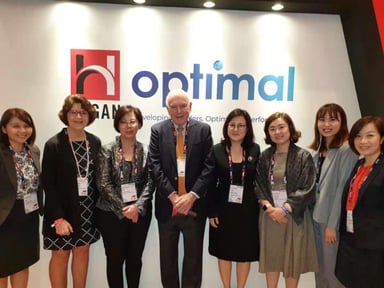
Founded in 2002, Optimal Consulting Group has been a Hogan distributor since 2006. Headquartered in Singapore, Optimal has physical presence in Singapore, Kuala Lumpur, Hong Kong, Shanghai, and Tokyo, and serves the Mainland China, Hong Kong, Singapore, Malaysia, and Japan markets. Optimal focuses on using Hogan to predict talent and leadership potential, for developmental interventions, and for successful team engagement.

Having sold 65,000 Hogan reports and certified 2,500 Hogan users to date, Optimal is a key distributor for Hogan in the Asia-Pacific region. Clients range across the public and private sectors and include local and foreign multinational corporations. Optimal helps them use Hogan for selection and promotion, succession planning and readiness, and predicting developmental gaps.

About the CEO

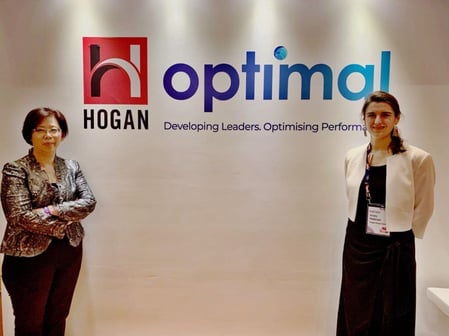
Wan Leng has served as Optimal’s chief executive officer since 2002. Educated in Kuala Lumpur and London, she gained rich consulting experience at Deloitte and Mercer Consulting before joining Dell as Asia-Pacific director, covering 10 countries, and later becoming global vice president for American President Lines, covering 50-plus countries.

As leader of Optimal, Wan Leng aspires to mentor Asia’s future social, economic, and political leaders. To date, she has assessed, coached, and mentored thousands of professionals and leaders, cultivated the potential of organizations and individuals for greater business success, and earned the respect and trust of top management in many leading organizations. A recognized expert in the HR industry, she frequently serves in an advisory capacity to boards, CEOs, and top HR professionals.

Her philosophy in life is “Be balanced: Work smart, play hard. Enjoy the moment, live the future. Optimize earnings, maximize giving. Embrace diversity, preserve identity. Be good to others, be good to yourself.”

Optimal Consulting Group

Distributor Q&A

What do you think will be the fastest-growing industries in Asia over the next 12 to 24 months?

  1. Healthcare: medical devices and technology, and health and well-being services
  2. Technology: AI, smart robots, and assistive technologies
  3. Gaming: game-focused platforms and e-sports
  4. E-commerce logistics: online B2C
  5. Energy: renewable energy    
  6. Food: farming and manufacturing

How do you see the lasting impact of COVID-19 in your markets? When do you expect full recovery will happen?

We are still in transit to our new era, as 2021 will pretty much the same as 2020. Assuming the vaccines curb the spread of COVID-19 by Q3 2021, we will begin to see the end of this transit period by end 2021. Hopefully by Q1 2022 we will be in a new era.    

What should we expect from leaders in Asia in the coming decade?

In the last two decades, Asia has experienced high economic growth, low birth rates, and a quickly growing aging population. In the next decade, we will see younger leaders who have been fast-tracked into their roles. They will be highly ambitious (contrary to common belief), competitive, tech-savvy leaders, preferring to work as part of a team while pursuing individual goals (collective individualism). They are an information-overload and big data–driven generation and are likely to ditch social media (watch out, Facebook, Instagram, and LinkedIn). They are also expected to be innovative and communicative. Above all, those who will stand out are those who are purposeful and have the right perspectives and priorities.

Topics: distributors

Subscribe to our Blog

Most Popular Posts

Connect