
Bob Hogan Discusses the Importance of Humility in Leaders

Posted by Hogan Assessments on Thu, Mar 29, 2018

When organizations are working to identify new leaders, too often they gravitate toward those who are charismatic, narcissistic, and inappropriately self-confident. These individuals tend to emerge because they are well-liked and masters in the art of office politics. However, decades of data and research prove that people with these characteristics are extremely ineffective leaders, and can ultimately destroy the organizations they have been chosen to serve.

On the contrary, leaders with humility combined with the appropriate amount of self-confidence have proven to be extremely effective in leadership roles because of their ability to build and maintain high-performing teams. Unfortunately, they are often overlooked by their superiors due to their inability to emerge in most organizational settings.

In this video, Bob Hogan discusses the importance of humility in leaders and how Hogan Assessments is preparing to help organizations across the globe to identify future leaders who are humble, competent, and effective.

Topics: charisma, Bob Hogan

Hogan to Present at 33rd Annual SIOP Conference

Posted by Hogan Assessments on Wed, Mar 28, 2018

SIOP 18 CroppedIt’s that time of year again! On April 19-21 in Chicago, I-O experts from Hogan’s Research and Consulting divisions will showcase advances in personality research at the 33rd Annual SIOP Conference. Here’s a detailed schedule of all sessions, including symposia, panel discussions, and poster sessions:

Thursday, April 19

Mobile Assessment: Practical Considerations for Implementation
Jennifer Lowe
12:00pm
Chicago 6

Test publishers and an employer discuss strategies for use of mobile assessments. Topics include demographic group differences for mobile versus desktop and implications of this, demonstration of novel, mobile-friendly response formats, and design considerations to optimize candidate experience across devices. Audience will participate by sampling assessment experiences “live” via mobile device.

Measurement Issues and Impacts of Dark Personality
Brandon Ferrell
12:00pm
Sheraton 3

Dark side traits have attracted a large amount of research attention. Yet, measurement of these traits is more difficult, relative to other personality traits. This symposium focuses on the measurement of dark side personality from different approaches, providing guidelines for developing or choosing dark personality measures in future research.

Where I-O Meets IT: Securing Talent Data in the Age of Breaches, Hacks, and Leaks
Jocelyn Hays, Ryan A. Ross
1:30pm
Chicago 9

This session will explore the role that I-O psychologists play in safeguarding talent data within organizations. The panelists will address questions related to physical security concerns and how the risk of data breaches can be mitigated. In addition, issues related to privacy and how talent data can and should be shared within organizations and across national borders will be discussed.

Does This Really Work? Practical Ways to Retain Desirable Employees
Karen Fuhrmeister, Kimberly Nei
5:00pm
Ontario

This session will cultivate a discussion around retention issues different industries face and how strategies from each industry might inform and improve the retention strategies of other areas. The panelists will discuss real world situations and provide advice from professional consultant perspectives.

Friday, April 20

Are the Robots Taking Over? Assessments in the Digital Age
Darin Nei
8:00am
Gold Coast

Organizations across all industries are being transformed by digital technologies. This panel assembles assessment practitioners to share perspectives on changes in assessments: (a) assessing differently with new techniques, (b) new digital methods for assessment research and validation, and (c) what to assess to support the changing workplace.

Investigating the Importance of Ambition in Personality Assessment
Matt Lemming, Kimberly Nei
8:30am
Riverwalk

Three studies are presented examining the value of Ambition as a higher-order personality factor. These studies focus on relationships between Ambition and (a) scales from multiple FFM inventories, (b) overall job performance for 7 job families, and (c) ratings of specific work behaviors. Results suggest that Ambition helps improve prediction and interpretation in organizational settings.

Dark Side Personality Difference in Managerial Hierarchy
Matt Lemming
8:30am
Riverwalk

Using dark side personality characteristics, the authors examined derailing profile differences between managers and executives using the Hogan Development Survey. Findings show some commonalities yet also provide evidence for customizing profiles for both groups. Practical implications from a coaching and development perspective are discussed along with directions for further research.

Using Personality to Predict Team-Relevant Competencies
Matt Lemming
8:30am
Riverwalk

The intersection of teams and personality research produced a diverse body of literature. Yet limited research exists on the personality characteristics of strong team builders. This study focused on synthetic validity meta-analyses to distinguish the personality profiles of competent team builders from team workers using the Hogan Personality Inventory and the Hogan Development Survey.

Challenges, Traits, and Best Practices in Navigating High Potential Programs
Brandy Agnew
10:00am
Chicago 9

Relatively little is known about the impacts of high potential (HiPo) programs’ impact on their participants. This symposium is intended to shed light on the potential negative impact of these programs on HiPo individuals, personality factors that are indicative of HiPo developmental readiness, and best practices in the development of global HiPo programs.

Critical Job Family Competencies: Sales Versus Customer Support
Karen Fuhrmeister, Kimberly Nei
1:00pm
Riverwalk

This study used data-driven best practices to identify the most critical competencies for 2 job families: sales and customer support. Although subject matter experts rated some competencies as critical across the job families, key competencies were unique to each job family.

A Personality-Based Job Analysis of Politicians: The Public’s Perspective
Michael Tapia
1:00pm
Riverwalk

Politicians represent their public constituents to make important decisions at the local, state, and federal levels of government. A personality-based job analysis was conducted and citizens were asked to rate the characteristics and competencies important for these roles. Ratings based on political affiliation and present what the public describes as a successful politician were compared.

Employee Retribution: When Work-Family Boundaries Go Awry
Dena Rhodes
1:00pm
Riverwalk

This poster investigated work interference with family (WIF) as a full mediator between segmentation/integration value congruence and unethical work behavior (UWB) intentions. Also explored was whether conscientiousness moderated the WIF–UWB intentions relationship. Findings revealed that low-conscientious employees experiencing higher levels of WIF showed greater intentions to engage in UWB.

Identifying and Developing Ethical Leaders: Challenges and Solutions
Darin Nei, Kimberly Nei
4:00pm
Sheraton 2

Identifying and developing ethical leaders continues to be a large area of concern for organizations. This symposium presents ways in which companies can select and develop ethical leaders including using 360 feedback, personality measures, and measures of motives and values.

How to Build a Personality Assessment Ninja Army
Jackie VanBroekhoven Sahm
5:00pm
Sheraton 2

Personality assessment training is an important yet seldom discussed part of the field. The training has serious implications on the appropriate use of the assessments and serves as a major source of business revenue. Come hear the journey, strategy, and challenges that 4 experts are tackling as they build their own army of personality assessment ninjas. 

Saturday, April 21

Measure It Again! Consideration for Reassessment Practices
Darin Nei, Michael Tapia
11:30am
Chicago 8

The purpose of this panel is to provide practical considerations for best practice recommendations with regards to the reassessment of candidates when making personnel decisions. Due to the variety of assessment types, it is difficult to provide a single response to questions/requests to reassess. The panel will provide insight on how to determine if reassessment is needed and/or appropriate.

A Cross-Cultural Conundrum: Applying Western I-O Around the World
Michael Sanger
12:30pm
Chicago 9

I-O psychologists working internationally face challenges in adapting their Western knowledge, training, and experience to firms located in other countries, often with little formal guidance. This panel brings together I-O practitioners with extensive international experience to discuss their insights, challenges, and best practices when implementing Western I-O around the world.

Genes and Ants: Meta-Heuristic Algorithms for Scale Length Optimization
Brandon Ferrell
3:00pm
Riverwalk

Conventional scale reduction strategies often fail to consider multiple psychometric criteria. Computer science offers algorithms for exploring item combinations to identify optimal solutions. This study compares the psychometrics of multiple shortened scales across 3 algorithms: removing low factor loadings (i.e., conventional), genetic algorithms, and ant colony optimization.

Dark-Side Personality and Leaders’ Ability to Leverage Workplace Diversity
Brandon Ferrell, Stephen Nichols
3:00pm
Riverwalk

To understand relationships between dark-side personality and managers’ ability to promote strong diversity climates, a meta-analysis of 4 Hogan Development Survey studies from the Hogan archive was performed. Two scales, Bold and Excitable, hinder leaders’ ability to leverage diversity in their organizations.

Implications of Curvilinear Relationships in Personality Assessment
Kimberly Nei
5:00pm
Ontario

This session will cultivate a discussion around retention issues different industries face and how strategies from each industry might inform and improve the retention strategies of other areas. The panelists will discuss real world situations and provide advice from professional consultant perspectives.

Topics: dark side

Study Shows Shared Personal Values a Better Predictor of Trump Supporters Than Political Attitudes

Posted by Hogan Assessments on Mon, Mar 19, 2018

Trump

* This article originally appeared on Business Wire.

A recent study conducted by Hogan Assessments Chief Science Officer, Dr. Ryne Sherman, shows that personal values were an even stronger predictor of support for President Donald Trump than political affiliation or ideology in the 2016 US presidential primary.

The study examined data gathered from 1,825 individuals who completed the web-based Trump Values Similarity Test, a research version of Hogan’s Motives, Values, Preferences Inventory, measuring the following 10 scales: Recognition, Power, Hedonism, Altruism, Affiliation, Tradition, Security, Commerce, Aesthetics and Science.

“Values are the key drivers of human behavior,” says Sherman.“They motivate us and represent our philosophy of life. Although it’s unlikely that any single study could definitively identify all of the reasons Donald Trump won the 2016 presidential election, the data in this study suggest that personal values may have played an important role.”

What the study determined is that people who supported Trump were more likely to have a values profile characterized by low Altruism combined with high Power, Commerce and Tradition. This means they have little interest in supporting social welfare programs, a strong desire to be in control, a strong desire to make money, a preference for financial risk taking and a preference for strictly adhering to social conventions.

The first page of the Trump Values Similarity Test asked respondents to indicate their age, gender, ethnicity and zip code, along with three questions regarding political attitudes (Democrat or Republican, liberal or conservative, and for or against Trump). The second page included the assessment. The results were then compared to an assessment simulation completed by Sherman. This was done prior to the launch of the Trump Values Similarity Test, so there was no way for the criterion profile to be influenced by previous results or post-election dissonance.

Using a bivariate correlation where 0 indicates “no relationship” and 1 means “perfect linear relationship”, the Trump Values Similarity Test scores correlated to 0.64 with Trump support, while political ideology correlated to 0.61 and party affiliation correlated to 0.60. Although this does not show a wide margin among the three areas measured, it does suggest that values were a better predictor of who would support Trump than party affiliation and political ideology.

In addition, an analysis done by Nate Cohn of The New York Times provided compelling evidence that the biggest difference maker in the 2016 presidential election was white, working class voters in key swing states, particularly Florida, Pennsylvania, Ohio, Michigan and Wisconsin, who voted for Barack Obama in 2012, but switched to Trump in 2016.

This is a group with similar values to Trump, and his campaign messaging was tailored to influence and mobilize these voters. He talked often about how hard work pays off (low Altruism), winning (high Power), making America great again (high Power and high Tradition), law and order (high Tradition) and renegotiating trade deals to make Americans rich (high Commerce). It is reasonable to hypothesize that emphasizing these values that white, working class Americans hold in high regard, Trump was able to win over their support in key states and secure his victory.

“When you couple this data with data reported elsewhere, it is not unreasonable to speculate that Donald Trump’s campaign messages tapped into the core values of white, working class voters in battleground states, ultimately swaying their votes and tilting the election in his favor,” says Sherman.

Topics: Donald Trump

Talent — Does It Come from Desire, Ability, or Both?

Posted by Hogan Assessments on Fri, Mar 09, 2018

aps-logo-cmyk-02-dark-small

*In this guest post, Melvyn Payne, Development Director at Advanced People Strategies, takes a look at the challenges facing Talent Management.

It is no surprise to see hard-working, collaborative individuals with great social skills emerging as potential leaders and being nominated for talent development programmes. In fact, it makes a welcome change to some of the overly ambitious, pushy individuals who feel they deserve a space at the top table but do not always demonstrate the capabilities to be effective.

So why is it that many of these apparently talented individuals subsequently have problems, or even fail, when they take on more responsibility or lead a team?

Perhaps we should start by considering why they are nominated in the first place. Their willingness to take on work and commitment to delivering high quality output for their boss often means they are some of the highest performers in the team.

They tend to be valued by their colleagues and their manager as they are typically modest about their own achievements and avoid playing politics – they tend to be someone everyone enjoys working with.

When times are tough, their manager knows that, if asked, they will be willing to put in even more hours and go the extra mile to keep stakeholders and clients, or customers, happy. What’s not to like?

It seems natural then for an ambitious manager, who themselves may be keen to progress, to assume others are like them and push forward this talented team member to take on more responsibility, stretch themselves, and be rewarded with a place in the talent programme.

However, imagine the talented team member does not like being in charge or having lots of responsibility and that their passion at work comes from a desire to simply help and support others. Perhaps they have no interest in status for its own sake and when the boss says it is time to attend a talent programme, being co-operative, they may find it hard to say ‘no’.

Subsequently, when pushed to make independent decisions, take initiative or stretch people, our talented individual may find it hard to make the tough call, or prefer not to be the one who is responsible for challenging others. Under the pressure of a more senior role, the day to day strengths may suddenly become barriers to being effective.

As leaders, other than helping talented individuals to learn strategies to adapt their behaviour as they climb the ladder, do we always spend enough time considering what motivates their behaviour and what they really want from their career – or do we assume they all want to be the CEO just like us?

For more information about Advanced People Strategies, visit www.advancedpeoplestrategies.co.uk.

Topics: desire

Career Connections Celebrating 20 Years of Success

Posted by Blake Loepp on Fri, Mar 09, 2018

Career-Connection-20years-logoWhen Bob and Joyce Hogan set out to develop better solutions to improve the global workforce, they knew they would need people and organizations from all over the world to help them sell these solutions. This resulted in the formation of a robust international distributor network spanning 56 countries. However, there was one key value each Hogan distributor was required to uphold: A commitment to excellence.

Excellence is defined as “the quality of being outstanding or extremely good”. For Career Connections, a Hogan distributor located in Nairobi, Kenya, excellence isn’t just found in the quality of the organization’s work, but also in the organization’s longevity.

Celebrating 20 years in business, Career Connections has evolved into one of Africa’s most prominent talent consulting firms. Under the leadership of Founding Director and Managing Director, Madeleine Dunford, the company continues to thrive in an area that is overflowing with potential. In our latest Distributor Spotlight, Madeleine gives us an overview how they increase ROI for their clients using the Hogan Assessment Suite.

Career Connections  is the largest specialized talent consulting firm in East Africa and recently celebrated its 20th Anniversary in 2017. Although the firm is headquartered in Nairobi, we service clients across Africa, excluding South Africa, in 3 broad areas: Executive Search; Executive Coaching and Accredited Coach training (in partnership with the Academy of Executive Coaching); and Assessments for selection or development. We have been a Hogan distributor for 12 years and in 2017 generated over 7,000 Hogan reports.

We often get asked to demonstrate ROI by our clients. One example was for East Africa Breweries (EABL), which has majority shareholding from Diageo. Africa is an important market for Diageo and in 2014 they were concerned that survey feedback showed that annual scores on the line manager’s ability to give feedback, inspire, and work on their team’s personal development were falling substantially. Leadership engagement scores demonstrated a culture of being directive, whereas employees desired more participative leadership.

UnknownThis sentiment was confirmed during a ‘test trial’ of a small group of 15 managers who completed the Hogan LEAD and the Leadership Versatility Index 360 tool (LVI) which showed that leaders were not empowering. We designed a programme called the ‘Amazing Line Manager Programme’ for EABL which was rolled out to 440 leaders across the wider East African region in 2015-2016. The programme premise was simple: firstly, raise the leader’s self- awareness of the impact they were having, through feedback on their Hogan LEAD and LVI reports. Secondly, supporting that feedback with the use of accredited coaches to challenge the line managers to take responsibility for change.
One of the ways we tracked the impact of the programme was through the annual Diageo Net Promoter Score (NPS) that simply asks team members to rate their line manager. Within Diageo the NPS is considered before promoting a leader. In 2014 the EABL overall score was 2%. After the programme, the score rose to 40% in 2015 and 44% in 2016- the highest increase globally within Diageo. Uganda’s score moved from 9% in 2014 to 71% in 2015- the highest rated country worldwide. East Africa was placed into the ‘green spot’ on employee engagement and performance enablement as a region for the first time.

When correlating the individual’s assessment data to degree of change, it was evident that leaders who were rated as enabling, with low need for public recognition and moderate amounts of ambition were most likely to show the highest shift in NPS. They tended to also be moderately cautious and bold; extreme Hogan or LVI scores were unlikely to drive positive NPS change.

Key learning from the programme was to start with the end in mind – what did we aim to change? Executive buy-in and participation made a big difference, as did briefings and programme launch events. We maintained momentum through video testimonials, and branding the programme. The programme showed you can deliver tremendous change with no classroom learning. The ALM format was adopted globally within Diageo, using their in-house tools.

Topics: career connections, distributor spotlight

Six Lessons on Leadership from Bob Hogan

Posted by Robert Hogan on Thu, Mar 08, 2018

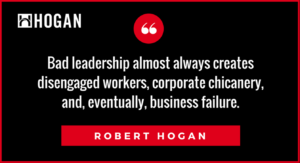
RT Leadership2I am obsessed with the topic of leadership. Organizations need leaders to make key decisions, anticipate and manage changing market trends, and set strategic vision. When competent leadership prevails, people and companies prosper. Bad leadership almost always creates disengaged workers, corporate chicanery, and, eventually, business failure.

The problem with most leadership competency models is they fail to distinguish between successful managers—people who are rapidly promoted in their organizations, and effective managers—people whose subordinates are committed and whose organizational units perform well. If we distinguish between these groups and review of the leadership literature from the perspective of team effectiveness we find six useful generalizations.

1. What followers want from their leaders

The first concerns the characteristics that people want to see in their leaders. Kouzes and Posner (2010) devised a simple paradigm for studying this: ask people to describe the best and the worst managers they have ever had using a standardized format. This research reveals that people evaluate leaders in terms of four broad categories:

  1. Integrity – Followers want to know that the people in charge won’t take advantage of their positions – won’t lie, steal, play favorites, or betray their subordinates.
  2. Judgment – The success or failure of organizations depends on decision-making. Some leaders make better decisions than others.
  3. Competence – Good leaders seem to know what they are talking about, to be competent in the team’s business. Subordinates see leaders who lack business acumen as empty suits, and are unwilling to follow them.
  4. Vision – Good leaders can explain how their mission fits into the larger scheme of things. This vision clarifies roles, goals, and the way forward, thereby facilitating team performance.

These four themes emerge in descending order—integrity is the most important attribute and vision is the least important—but all four are crucial components of leaders’ reputations. Conversely, leaders who lack integrity, good judgment, competence, and vision will surely fail.

2. Personality predicts leadership

The second lesson concerns personality and leadership. The data are clear: personality is the best single predictor of leader performance that we have. For example, Jim Collins published a milestone study of 11 Fortune 1000 companies which had 15 years of below average performance, followed by a transition year, and then 15 years of performance substantially above their industry average. Collins found that, in each case, a new CEO had turned the company around and that these 11 highly effective CEOs combined extreme personal humility with a fierce and relentless drive to win.  This contrasts with their high profile, publicity-seeking counterparts in poorer performing companies. Personality is important in both cases, and we can also say good-bye to the view that CEOs need charisma to be effective.

3. Leadership drives engagement; engagement drives performance

The third lesson concerns leadership and employee engagement. Engagement is “…a persistent psychological state associated with behaviors that are beneficial to an organization” (Macey & Schneider, 2008). In major separate studies, Huselid (1995) and Harter, Schmidt, and Hayes (2002) show that: (a) managers’ behavior predicts employee engagement; and (b) employee engagement predicts business-unit performance. Engagement is a function of how people are treated by managers. Specifically, the quality of the relationship between leaders and followers creates engagement.

4. Leaders drive financial performance

The fourth lesson concerns the financial consequences of good and bad leadership. Collins’ research shows that well-led companies are more profitable than those with average leadership. Although the estimates vary from 14% (Joyce, Nohria, & Roberson, 2003) to 29% (Mackey, 2008) to 38% (Hambrick & Quigley, 2013) to 40% (Day & Lord, 1989), several studies conclude that CEOs account for a significant proportion of the variance in the financial performance of large organizations.

5. There are more bad leaders than good ones

The fifth lesson concerns managerial incompetence. In another milestone paper, Bentz (1967; 1985) reported on a 30-year study of managers at Sears. He found that the failure rate for managers to be substantially higher than anyone expected. How many bad managers are there? Hogan, et al., (2011) identified 12 published estimates of the frequency of management failure, which range from 30% to 67%, with an average of about 50%. Note that these estimates concern the number of managers who are actually fired. I believe that about two-thirds of existing managers are ineffective, but fewer than half will be caught because they are good at internal politics. The misery that bad managers create for their staff has moral consequences; about 75% of working adults say the most stressful aspect of their jobs is their immediate boss (Hogan, 2007, p. 106).

6. Bad managers lead from the dark side

Finally, bad managerial behavior originates in the dark side of personality (Hogan & Hogan, 2001). As Bentz (1967) noted, most managers fail for the same reasons: emotional immaturity, arrogance, micro-management, dishonesty, indecisiveness, poor communications, etc. Hogan and Hogan (2001) proposed a taxonomy of the most common counter-productive managerial behaviors. Although the behavior patterns are different, they have the same effect on employees—they erode trust, increase stress, and degrade performance.

The foregoing discussion leads to the question, “What is the profile of an ideal leader?” I start with Peter Drucker’s observation that leadership is really about followership, that leadership should be understood in the context of what the followers expect from their leaders. The points presented above suggest that followers want to see six characteristics in their leaders – integrity, good judgment, competence, vision, humility, and fierce ambition for collective success, and those characteristics provide a guide to an optimal assessment profile.

Topics: dark side personality

Hogan Assessments Names Ryne Sherman as Chief Science Officer

Posted by Blake Loepp on Mon, Mar 05, 2018

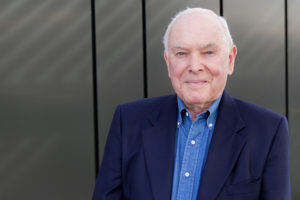
Screen Shot 2018-03-05 at 10.15.56 AMHogan Assessments announced Monday that Dr. Ryne Sherman will join the company as Chief Science Officer.
In this role, Sherman will be responsible for managing the primary functions within Hogan’s industry-leading research department, including client research, product development and maintenance, and Hogan’s research archive and infrastructure.

“We’re thrilled to have Ryne join the Hogan team,” says former Hogan CEO Scott Gregory. “He’s been an incredible asset to our organization in recent years through the work he’s done with our research team, and he has positioned himself as one of the premier thought leaders in the world of personality psychology.”

Sherman is currently an associate professor at Texas Tech University, and prior to that he taught at Florida Atlantic University where he was recognized as the FAU College of Science Distinguished Teacher of the Year in 2013. In addition, his research on the psychological properties of situations and their interaction with personality has been awarded federal support from the National Science Foundation, and in 2016 he was named a “Rising Star” by the Association for Psychological Science.

“It truly is an honor to join the world’s leading provider of personality assessments and leadership solutions,” says Sherman. “I’ve been a huge advocate for Hogan over the years, and this is a tremendous opportunity for me to apply my background in personality psychology to improve the global workforce.”

Sherman received his B.A. in Psychology and History from Monmouth College, and completed his Ph.D. in Personality/Social Psychology from the University of California, Riverside. He will officially assume the role of Chief Science Officer in June upon completion of his teaching commitments at Texas Tech.

Bob Hogan and Ryne Sherman: Briefing Socioanalytic Theory

Posted by Hogan Assessments on Fri, Mar 02, 2018

Ident_Rep_Blog_HS_2Socioanalytic theory draws on key ideas of Charles Darwin, Sigmund Freud, and George Herbert Mead to explain why people act as they do. All three writers noted that humans evolved as group living animals; we also know that all groups contain status hierarchies and myths about their origins and purpose. This suggests that the big problems in life concern: (1) Getting along with other people; (2) Acquiring status and power; and (3) Finding one’s place in the group. In modern life, individual differences in the ability to solve these three problems translate into individual differences in career success. Successful people live longer, have healthier lives, and are better able to care for their dependents—and that is the definition of biological fitness. Thus, Socioanalytic theory is about fitness and career success.

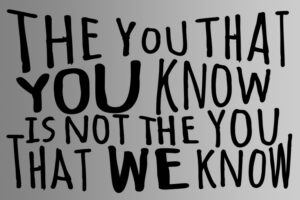
Socioanalytic theory defines personality from two perspectives: (1) Identity; and (2) Reputation.  Identity concerns who you think you are; reputation concerns who we think you are. Research on identity has produced few useful generalizations; in contrast, research on reputation has been highly productive; e.g., the Five-Factor Model—a taxonomy of reputation—is a useful way to organize personality research findings. Past behavior predicts future behavior; reputation is a summary of past behavior; thus, reputation is the best possible data source for predicting future behavior.

Research in Socioanalytic theory focuses on four broad areas: (1) Personality and occupational performance; (2) Personality and leadership effectiveness; (3) Personality and managerial incompetence; and (4) Personality and effective team performance (team research historically ignored effectiveness). Occupational performance, leadership effectiveness, and managerial incompetence can be predicted with valid personality measures.  Team effectiveness depends on putting the right people (defined by personality) in the right positions (defined by team role).

Socioanalytic theory argues that social skill is the key to career success—because social skill translates identity into reputation. That is, people who are socially skilled are better able to earn reputations that are consistent with their identities (i.e., become in the eyes of others the persons they want to be). Socioanalytic theory also maintains that feedback from valid personality assessment can create “strategic self-awareness” (understanding how one impacts others). Strategic self-awareness allows ambitious people to maximize their career potential and minimize their own intra- and inter-personal shortcomings.  Thus, strategic self-awareness increases the likelihood of career success. Successful careers lead to better individual outcomes than unsuccessful careers.

VIDEO: Bob Hogan on the Bright Side of Personality

Posted by Hogan Assessments on Tue, Feb 20, 2018

Screen Shot 2018-02-20 at 11.53.56 AMDeveloped in 1980, the Hogan Personality Inventory, which describes the bright side of personality, has aged like a fine wine. With a commitment to validity and reliability, Hogan’s flagship assessment is continuously updated and analyzed by our industry-leading research division.
Whether your goal is to find the right hire or develop stronger leaders, assessing bright-side personality gives you valuable insight into how people work, how they lead, and how successful they will be. Simply put, the bright side is who you are when you are at your best.

“The bright side of personality is you when you’re keeping your real self under control,” says Bob Hogan. “It’s you when you’re a smoothly functioning hypocrite.”

In this video Bob Hogan discuss the bright side of personality and how some people have more attractive bright sides than others, which allows them to get along, get ahead, and have more successful careers.

Topics: bright side, Bob Hogan

Our Assessments Are Biased

Posted by Robert Hogan on Fri, Feb 09, 2018

RT_Hogan_Blog_HSThe personality assessment industry gets a lot of criticism, and rightfully so. The vast majority of assessment providers care little about validity. At Hogan, we’ve spent 30 years building a reputation based on providing valid assessments that are proven to predict workplace performance.

One frequent question we get from skeptics is “are your assessments biased?” Although our competitors dance around this question or answer it dishonestly, we proudly admit that our assessments are biased.

First, we are biased toward data over intuition and toward data-based decision making.  

Second, we are biased toward equal opportunity in hiring and promotion: if a woman or a minority is more talented than a white male candidate, then the talented person should get the job regardless of internal politics. 

Third, we are biased toward revising our standard recommendations if new data shows our standard recommendations are wrong—that is, we are biased toward admitting our mistakes. 

And fourth, we assume that people are fundamentally irrational and that getting them to behave rationally is a constant struggle. Specifically, people tend to choose actions that lead to short term payoffs but are contrary to their own long term best interests.              

And yes, our assessments reflect these biases.

Topics: Bias

Subscribe to our Blog

Most Popular Posts

Connect