How to Avoid Assessment Burnout & the Black Hole of Data

Posted by HNews on Sun, Nov 25, 2012


Assessments are powerful, business-critical tools that predict and monitor employee performance and multiple assessments are administered based on the different needs within the organization. Over the course of a typical year, some employees might be assessed and reassessed over and over again, causing frustration and assessment burnout for already busy employees. When organizations use multiple assessments that have no or limited correlation to each other, it also creates a glut of data that forms its very own black hole, sucking in all the information – full of redundancies – including the vital insights.

Since the variance between these assessment tools is often slight, organizations risk capturing virtually the same data in different systems that are further limiting because they are unable to talk to each other. Organization-wide, collected data filters into this black hole ensuring it is nearly impossible to compare results or pull broad-spectrum reports. As more assessments are ordered to suit emerging needs, employees and human resources professionals become frustrated. To avoid burnout and black hole syndrome, finding an alternative is imperative.

Research indicates that the solution may be easier than you realize: employ a comprehensive suite of assessment tools. Here’s how:

One Suite, Multiple Options Having a comprehensive suite allows the organization to assess employees once, using the same questions for everyone. With this concise data in hand, the organization can run multiple reports on everything from detecting leadership potential to recognizing levels of accident proneness.

Creating Consistency Collecting the same information about all employees provides a broad, deep understanding of the entire workforce.

Implementing Strategy This starts by identifying the organization’s needs (PDF) including the biggest pain point; once needs are determined a comprehensive assessment suite can be rolled out. We recommend holding a “conversion” training to help employees understand the new approach and its associated value for improving the HR lifecycle and employee experience.

With a comprehensive assessments suite in place, organizations will see burnout diminish while the black hole gives way to a viable bank of employee data. To find out more about using a comprehensive suite of assessments, download our latest eBook, Why Personality?
Topics: assessment, ebook

Team Culture

Posted by Hogan News on Tue, Nov 20, 2012

Truth About Teams

Have you ever been somewhere you felt like you just didn’t fit in?

People's core motives, values, and interests affect every aspect of their lives, from how they behave, to the kind of atmosphere and work environment in which they feel happy and productive. When it comes to team performance, shared values can have a powerful impact:

  • Coherence – Having common values assists with team bonding and makes working with colleagues easier and more enjoyable. Conflict tends to be more productive on teams with congruent values, focusing more on substantive, technical, or professional differences.
  • Greater efficiency –Team members are on the same page with regard to tasks and situations, understand each other’s needs, and trust one another more than individuals in teams without shared values.
  • Stability – Shared values increase individuals’ commitment to the team and its purpose, which increases team motivation and reduces turnover. Members who stay longer with a team are more likely to engage in activities and make decisions that benefit the group over selfish gains.

To find out more about team values, and how personality impacts team performance, check out our complimentary eBook, The Truth About Teams.

Topics: teams, team-building, values, culture, team values

Team Culture

Posted by HNews on Mon, Nov 19, 2012

Truth About Teams

Have you ever been somewhere you felt like you just didn’t fit in?

People’s core motives, values, and interests affect every aspect of their lives, from how they behave, to the kind of atmosphere and work environment in which they feel happy and productive. When it comes to team performance, shared values can have a powerful impact:

  • Coherence – Having common values assists with team bonding and makes working with colleagues easier and more enjoyable. Conflict tends to be more productive on teams with congruent values, focusing more on substantive, technical, or professional differences.
  • Greater efficiency –Team members are on the same page with regard to tasks and situations, understand each other’s needs, and trust one another more than individuals in teams without shared values.
  • Stability – Shared values increase individuals’ commitment to the team and its purpose, which increases team motivation and reduces turnover. Members who stay longer with a team are more likely to engage in activities and make decisions that benefit the group over selfish gains.

To find out more about team values, and how personality impacts team performance, check out our complimentary eBook, The Truth About Teams.

Topics: culture

Leadership Lessons from Schwarzkopf

Posted by Hogan News on Mon, Nov 19, 2012

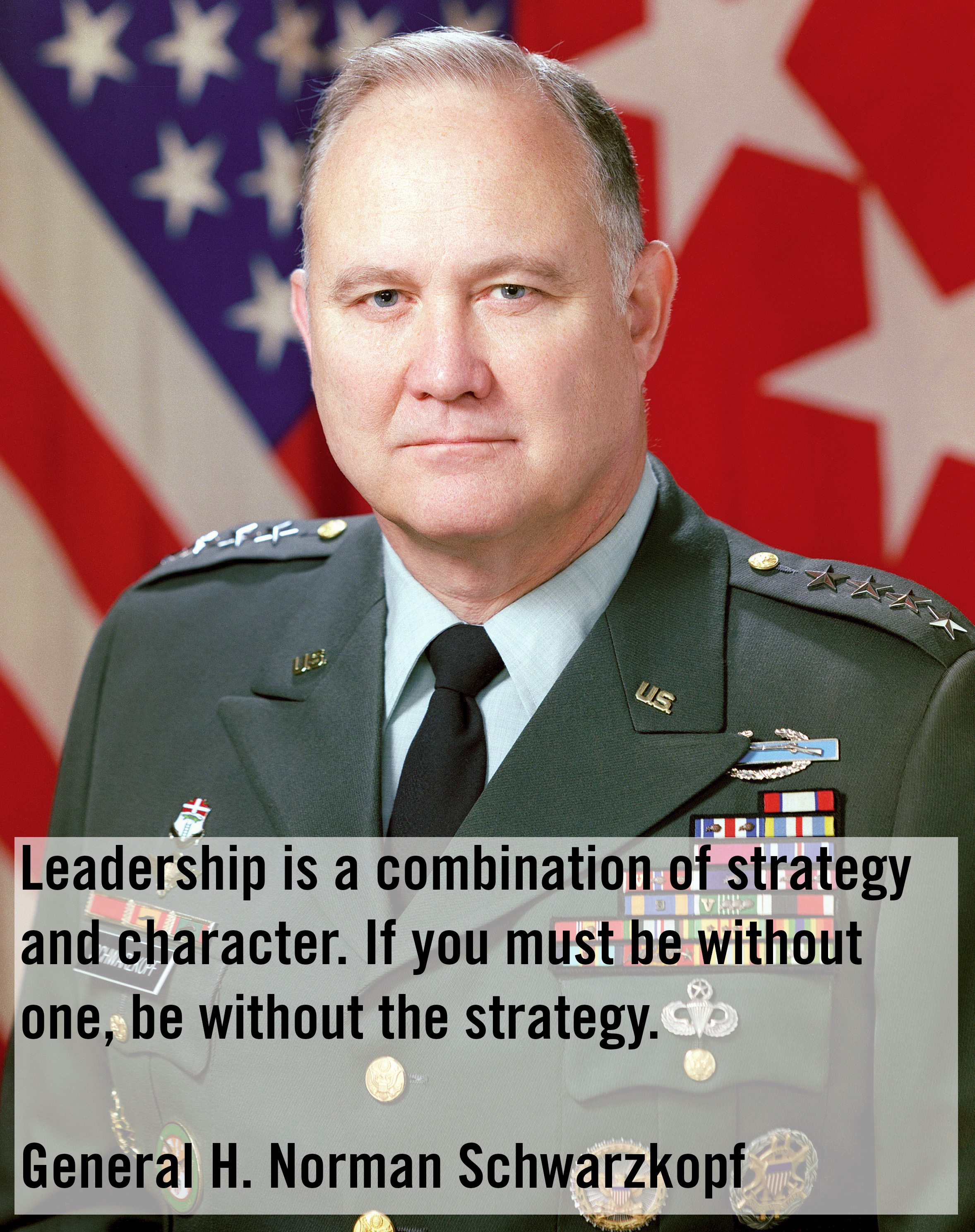
Leadership is a combination of strategy and character. If you must be without one, be without the strategy.

-General H. Norman Schwarzkopf

NormanSchwarzkopf

Topics: leadership, quote

Leadership Lessons from Schwarzkopf

Posted by HNews on Sun, Nov 18, 2012


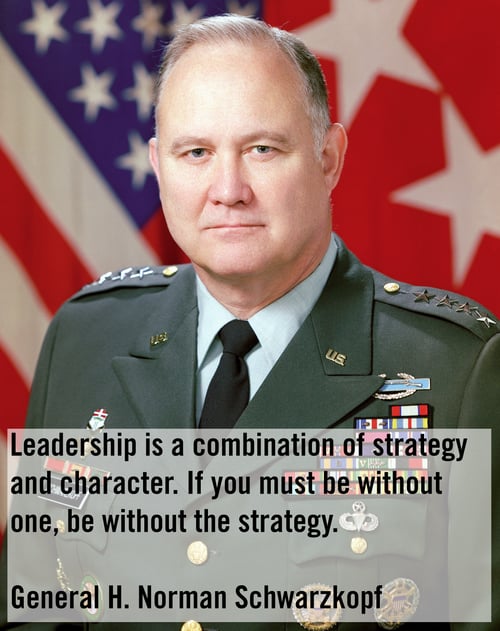
Leadership is a combination of strategy and character. If you must be without one, be without the strategy.

-General H. Norman Schwarzkopf

NormanSchwarzkopf


Nothing Tests a Leader Like a Crisis

Posted by Jane Grdinovac on Fri, Nov 16, 2012

SandyIn the month of October, Hurricane Sandy dealt a devastating blow to the East Coast. Major flooding, power outages, structural damage to business and homes, and fatalities are the only remnants of the ruinous storm.

With some states still reeling from the effects of the hurricane, it is impossible to turn on the television, open the newspaper, or search social media sites without witnessing the aftermath. During this traumatic event, many prominent public figures have stepped up to provide resources, assistance, and support to those affected by the hurricane. For example, Barack Obama cancelled his campaign in Ohio to assess the storm damage of New Jersey, and Lady Gaga donated $1 million to the American Red Cross to support storm relief efforts. Although individuals’ benevolence, selflessness, and service-orientation is vital to picking up the pieces of Hurricane Sandy, it raises an important question: why does this inspiring and energizing leadership appear more frequently in times of a crisis?

As Ron Ashkenas’ article notes, leaders typically modify their day-to-day behaviors during a sustained crisis. As a result, they tend to appear more willing to collaborate and communicate across boundaries, accelerate the decision making process, eliminate standard procedures and restrictions, and volunteer their time to hands-on service activities in order to help alleviate or resolve the crisis. These behaviors, however, slowly dissipate as the crisis begins to stabilize, immediate problems are solved, and the sense of urgency diminishes.

According to Ashkenas, there are two main reasons we witness extraordinary leadership during unordinary conditions. First, a crisis accelerates a leader’s ability to act decisively because there is not much time to evaluate, plan, or brainstorm. As such, a leader must be disposed to take action or effectuate a solution. Second, a crisis forces a leader to think creatively and quickly, while circumventing standard procedures and policies. In this case, fast, bold, and sometimes risky actions override predictable and safe ideas.

Demonstrating this type of passion, influence, and action-orientation may be beneficial for leaders in the corporate world, even when a crisis is not present. Subordinates and colleagues are typically drawn to these inspiring and energetic behaviors. You can identify what may motivate or influence leaders to respond to a crisis and how they may manage or approach a crisis and accompanying stress simply by looking at their Hogan assessment results. From this information, you can see a glimpse into how your leaders are likely to act during the good, bad, and ugly times organizations can face.

Topics: leadership, leader behavior

Nothing Tests a Leader Like a Crisis

Posted by Hogan Assessments on Thu, Nov 15, 2012

SandyIn the month of October, Hurricane Sandy dealt a devastating blow to the East Coast. Major flooding, power outages, structural damage to business and homes, and fatalities are the only remnants of the ruinous storm.
With some states still reeling from the effects of the hurricane, it is impossible to turn on the television, open the newspaper, or search social media sites without witnessing the aftermath. During this traumatic event, many prominent public figures have stepped up to provide resources, assistance, and support to those affected by the hurricane. For example, Barack Obama cancelled his campaign in Ohio to assess the storm damage of New Jersey, and Lady Gaga donated $1 million to the American Red Cross to support storm relief efforts. Although individuals’ benevolence, selflessness, and service-orientation is vital to picking up the pieces of Hurricane Sandy, it raises an important question: why does this inspiring and energizing leadership appear more frequently in times of a crisis?

As Ron Ashkenas’ article notes, leaders typically modify their day-to-day behaviors during a sustained crisis. As a result, they tend to appear more willing to collaborate and communicate across boundaries, accelerate the decision making process, eliminate standard procedures and restrictions, and volunteer their time to hands-on service activities in order to help alleviate or resolve the crisis. These behaviors, however, slowly dissipate as the crisis begins to stabilize, immediate problems are solved, and the sense of urgency diminishes.

According to Ashkenas, there are two main reasons we witness extraordinary leadership during unordinary conditions. First, a crisis accelerates a leader’s ability to act decisively because there is not much time to evaluate, plan, or brainstorm. As such, a leader must be disposed to take action or effectuate a solution. Second, a crisis forces a leader to think creatively and quickly, while circumventing standard procedures and policies. In this case, fast, bold, and sometimes risky actions override predictable and safe ideas.

Demonstrating this type of passion, influence, and action-orientation may be beneficial for leaders in the corporate world, even when a crisis is not present. Subordinates and colleagues are typically drawn to these inspiring and energetic behaviors. You can identify what may motivate or influence leaders to respond to a crisis and how they may manage or approach a crisis and accompanying stress simply by looking at their Hogan assessment results. From this information, you can see a glimpse into how your leaders are likely to act during the good, bad, and ugly times organizations can face.

Lessons from Freud

Posted by Hogan News on Thu, Nov 15, 2012

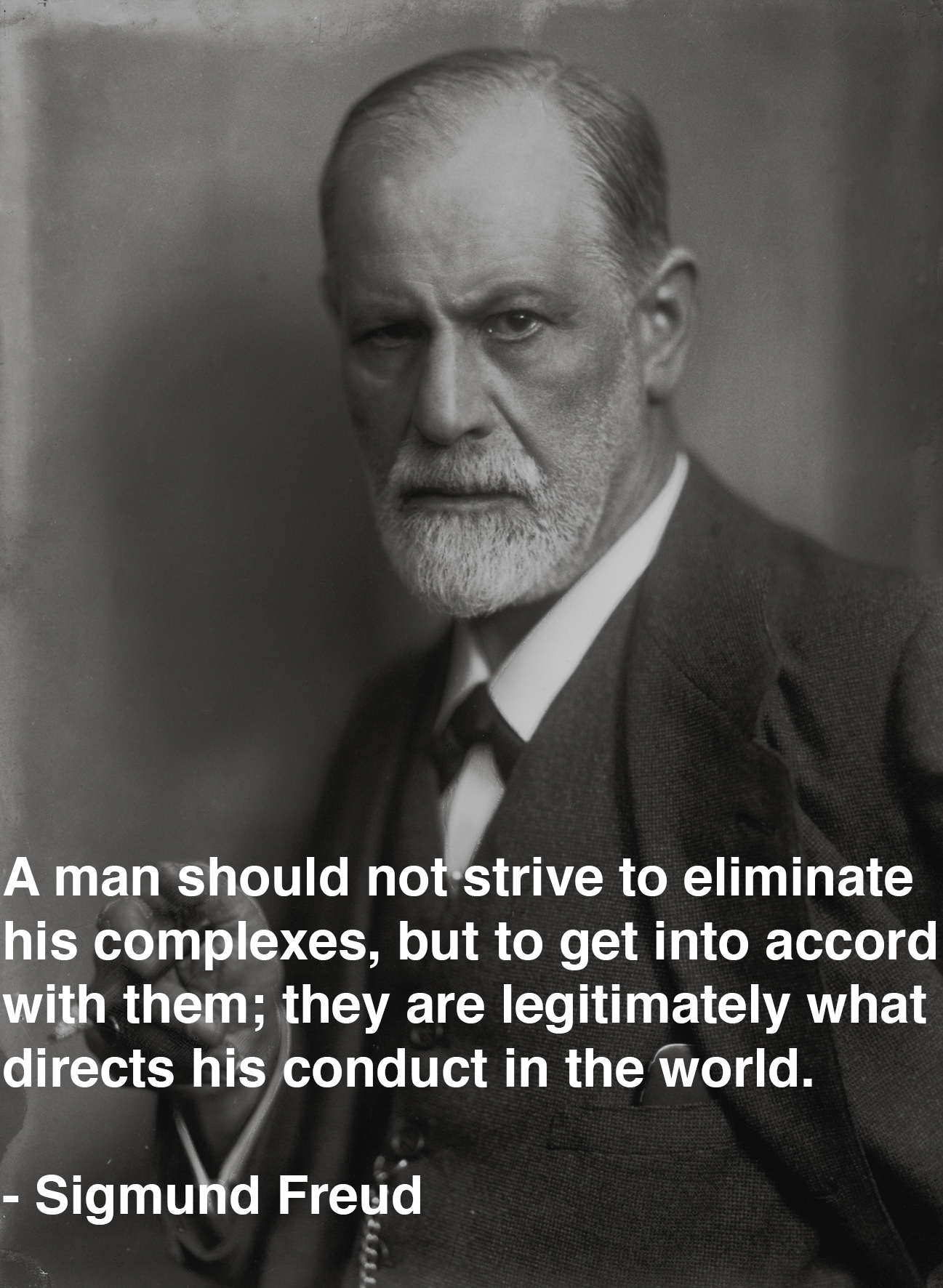
A man should not strive to eliminate his complexes, but to get into accord with them; they are legitimately what directs his conduct in the world. 

Freud

Topics: Sigmund Freud

The Power of Team Derailers

Posted by Hogan News on Wed, Nov 14, 2012

Truth About TeamsBalancing psychological roles is an important step toward creating a high-performing team. It is equally important to understand team members’ derailers.

Under stress, people’s greatest strength can become their biggest weakness – the ambitious salesperson earns a reputation as a cutthroat competitor, the meticulous accountant turns to nitpicking or micromanaging. These tendencies are called derailers.

If too many members of a team share the same derailing tendencies, they can become team derailers. Team derailers fall into three categories:

  • Distancing derailers help individuals manage anxiety or pressure by maintaining distance from and pushing others away.
  • Agitating derailers are an offensive rather than defensive response to pressure. They help individuals manage situations by manipulating or controlling others.
  • Acquiescing derailers help individuals manage their anxiety and stress by building alliances with others.

These derailers can lead to shared blind spots, amplified reactions, or competitive responses, in which team members enter a sort of arms race by responding to each others’ derailed behavior in a manner that triggers more derailed behavior. However, by recognizing their shared characteristics, teams can work to mitigate their tendencies and correct problem behaviors.

To find out more about team derailers and how personality affects team performance, check out our free eBook, The Truth About Teams.

Topics: teams, team-building, derailment, team performance

Lessons from Freud

Posted by HNews on Wed, Nov 14, 2012

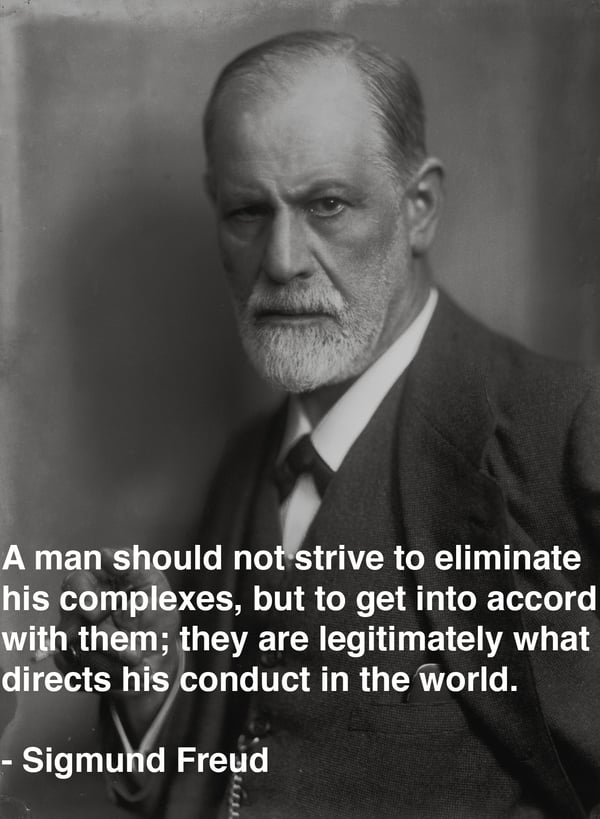
A man should not strive to eliminate his complexes, but to get into accord with them; they are legitimately what directs his conduct in the world. 

Freud

Subscribe to our Blog

Most Popular Posts

Connect